
What paths lead from an idea to getting that idea in front of an audience of appreciative readers? In last month’s blog post, I explored this topic with five authors who partnered with literary agents and traditional publishers. This month, I’m looking at the publishing paths of six indie fantasy authors.
What publishing paths to indie fantasy authors take to launch and sell their books?
The path is different here since indies can publish pretty much immediately. So, I’m showing the publishing paths of indie authors who have actually built meaningful audiences and established themselves as writers to watch.
As with last month’s article, I want to emphasize that I see each of the authors as exceptional, not the default. I don’t expect anyone else to reap the same results they have simply by following the same steps. However, the evidence is that many authors are seeing similar success with the same kinds of steps. So there’s value to considering these publishing paths, even if those paths aren’t golden tickets to stardom.
On with the examples.
M. L. Wang: As indie as Indiana Jones

M. L. Wang’s best-known work is The Sword of Kaigen, which she published in 2019. The Sword of Kaigen is a highly unconventional novel. It’s unique in terms of structure, pacing, and the organization of viewpoint characters. It’s difficult to describe or market in genre-wide terms. But reviewers and readers (including me) love it.
Wang self published two books before The Sword of Kaigen, but neither of these took off in the same way this one did. Word really got out about Wang’s writing when she entered and won Mark Lawrence’s 2019 Self-Published Fantasy Blog-Off (SPFBO) contest. This win alone secured numerous reviews and lots of visibility for the novel even before new sales started coming in.
Her journey to making the book available might look simple. Wang’s success with The Sword of Kaigen is a huge example of the distinctive strengths of independent publishing, however: Giving space for books that don’t fit cookie cutter formats preferred by large publishing houses. This is a novel with a singular shape. It’s hard to imagine where most bookstores would shelf the book or which audience a large press would target. Most publishing houses would not have taken a chance on The Sword of Kaigen in the first place.
But Wang did, and it’s paying off for her.
What I see as the takeaways: Like Rothfuss and Muir (see last month’s post), Wang benefited from the visibility of a well-known award. Few awards are likely to influence serious sales boosts like her book has experienced, however. In the end, it’s the strength of her writing that makes this book memorable and relatable. As with traditional publishing paths, writing a quality book is the best thing an indie author can do to create their own space.
Michael R. Miller: Narrowing the audience
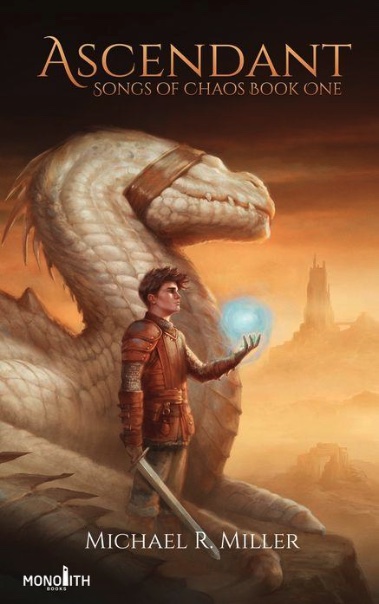
Michael R. Miller has found considerable success with his first series, The Dragon’s Blade Trilogy, which has topped Amazon’s bestseller lists for epic fantasy, sword and sorcery, and YA fantasy among other categories. As if that isn’t impressive enough, his next series–currently in the works–has pushed him forward to an even bigger and more loyal audience.
Here’s the pitch for Miller’s Songs of Chaos series: “A servant boy defies society to save a blind dragon from death and rises to become a dragonrider!” If it sounds familiar, it’s probably because it is. It’s strikingly similar to a) Christopher Paolini’s Inheritance Cycle, and b) book three of Anne McCaffrey’s Dragonriders of Pern trilogy. Oh, and there’s also a very clear progression fantasy play at work in this series, to add to the mix of clear influence.
So, with such obvious and well-beloved influences, how did Miller go about marketing his new series? He does it obviously. Here’s some copy from the first book’s Amazon page: “…combining the best of Eragon and Pern with the hard magic of Brandon Sanderson and Will Wight.”
Miller isn’t actually making an outlandish claim here. That’s what the books read like: Cradle + Eragon + Pern.
What I see as the takeaways: Miller’s path to indie publishing is almost the opposite of Wang’s above. Miller entered the scene with some traditional publishing experience behind him. Then he found a space with hungry audiences and targeted those audiences narrowly, repeatedly, specifically. Whether Miller wrote his books intending to reach this existing audience or not, I don’t know, but his precision targeting (which really helps his landscape of advertisements) has helped him find a large and loyal audience.
Daniel Greene: Writing from a strong platform
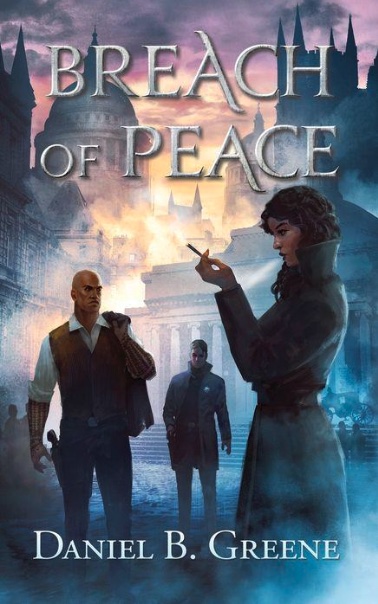
Daniel Greene, aka your disheveled goblin host, is most well known as a YouTuber. He entered indie publishing last year with his debut novella, Breach of Peace, following this up with a short novel several months ago.
Greene reported 30,000 sales of Breach of Peace within the first week of its publication. Based on its sales rankings since then, it has likely sold over 250,000 copies now, just 14 months since publication.
For context, Brandon Sanderson just reported that he too reached 250,000 sales in the first year for one of his more widely anticipated releases. This figure isn’t terribly surprising, since Sanderson is a massive name in the genre, with 16 years of consistent bestsellerdom behind him. So, for Greene to come anywhere close to that figure is an astonishing win.
In the end, though, Greene moved books in a really similar way to how Sanderson does it now: He’s a community player with a platform he has built carefully over time (over 300K YouTube followers when Breach of Peace came out, for instance, and now over 400K). He did a lot of leg work beforehand, not just to get the word out but in a way that other influential figures like reviewers and YouTubers would also get the word out.
What I see as the takeaways: Plenty of authors publish and sell books without having an audience in place before the book is available. I think it’s fair to say this is the case for most people who write fiction. But in the end, having an audience from the date of publication definitely helps. Note that science fiction writer John Scalzi took a similar path with his very successful blog (through which he published his first novel).
Evan Winter: Moving from indie to trad
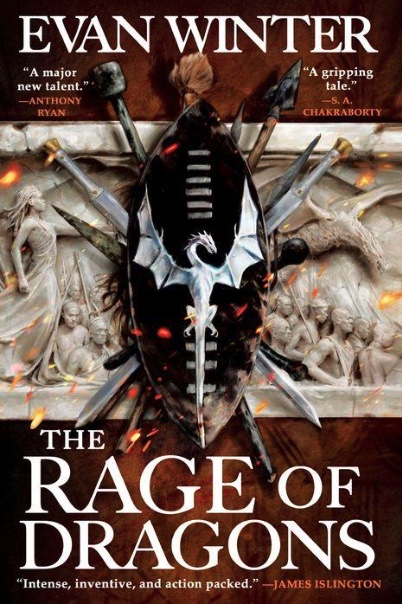
Evan Winter made quite a splash with the publication of The Rage of Dragons. Fans pretty much love the following book as much as the first.
Winter published his first novel through Amazon’s Kindle Direct Publishing (KDP). In his own words, he didn’t expect his writing to be more than a hobby. He found almost overnight success after sharing information about his book on r/Fantasy, a community he’d been a part of for some years by then. His debut quickly climbed to the top 250 books selling on Amazon that day. Soon thereafter, an editor from Orbit contacted Winter with interest in a book deal.
After an initial phone conversation, Winter relates that “the editor got back in touch to say that Orbit was going to make an offer and that I should get an agent.” Shortly thereafter, Winter had both an agent and a deal to publish not one but four books. More importantly, perhaps, people just keep reading and loving what Winter writes.
What I see as the takeaways: Like Greene, Winter was part of the community. When he wanted to find readers, he knew where they were and knew how to communicate with them. Also, when you write something people want to read, publishers tend to take notice.
For additional examples of the indie to traditional path, take a look at:
Michael J. Sullivan: Building a backlist
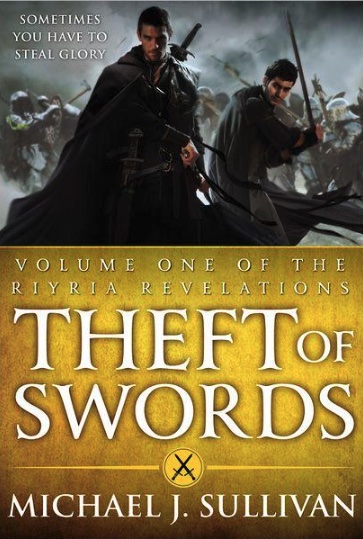
Michael J. Sullivan is a particularly interesting case as a hybrid author. Like many others, he completed numerous manuscripts, sent them to agents and editors, and collected a list of rejections before ever publishing anything. He also worked with a small press which couldn’t deliver on the printing and distribution volumes Sullivan’s work evidently merited.
Eventually, Sullivan regained publishing rights for The Riyria Revelations and began publishing them himself. His sales numbers grew as he expanded the series. He eventually began selling about 1000 books per month. He also got a six-figure book deal–his runway into traditional publishing with a big New York press. Before this deal was ever made public, Sullivan’s sales leaped up to 10-12K copies per month, earning him upward of $35,000 for each of those months.
Perhaps because of this success, Sullivan has retained a close connection to the indie world, even after releasing quite a few volumes through traditional publishers. Sullivan has run multiple successful kickstarters to fund new books, for instance. He has worked closely with Grim Oak Press—a small publisher—as well.
What I see as the takeaways: Sullivan is a great example of building an audience via multiple volumes. The majority of indie authors establish loyal audiences over time by releasing several, even many books. These writers (see Lindsay Buroker as another example) don’t often see large sales numbers until they have a backlist of books to their names, just as Sullivan did.
One final example: Christopher Paolini
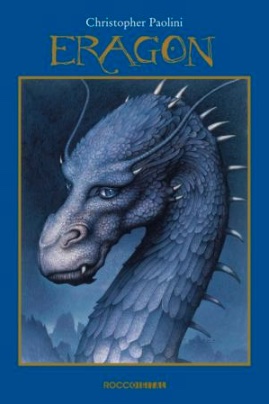
Christopher Paolini’s indie publishing path might be even more exceptional than the rest I’ve mentioned. He was only 15 when, with the help of his family, he published Eragon. That said, it’s also one of the more illustrative examples out there.
Paolini had the benefit of some in-family expertise. His family operated a small press that had previously published a few other books. He also emerged at a time of voracious interest in fantasy for middle grade and young adult audiences. This reader interest undoubtedly helped secure his eventual book deal with Knopf and his 121 consecutive weeks on The New York Times Best Seller list.
What was not exceptional for Paolini was that he first grew his audience by going out and sharing his work. He attended over 135 in-person events to promote his first novel, making as many as 70 stops in a single year.
What I see as the takeaways: People buy books that are recommended to them. This is true even when the author is the one going out to make the recommendation.
Sign up for the newsletter to get more nerdy content like this in your inbox.
About the Author

Stephen Taylor is the author of The Witherclaw Trilogy as well as short fiction appearing in The Future Fire, MYTHIC Magazine, The Centropic Oracle, and other publications. His short story “Only an Ocean” won a Silver Honorable Mention in the L. Ron Hubbard Writers of the Future Contest. When he’s not writing, he’s often playing his violin or wandering in the woods.


