“Infinite are the arguments of mages,” wrote Ursula Le Guin. Likewise, infinite are the arguments about the best magic systems empowering those mages. This article will scarcely scratch the skin of that debate. But, as a reader and writer who cares a lot about interesting ways to use magic, I have some takes on the topic.
Out of hundreds of possible options (probably thousands), here are the eight magic systems I think are most interesting in terms of how the author actually uses them.
- True names | Ursula Le Guin’s Earthsea Cycle
- Luxin | Brent Weeks’s Lightbringer series
- Death Witnessing | Katherine Addison’s The Goblin Emperor
- The One Power | Robert Jordan’s The Wheel of Time
- Forging/soulstamping | Brandon Sanderson’s The Emperor’s Soul
- Honorable mention: The Skill and the Wit | Robin Hobb’s Realm of the Elderlings
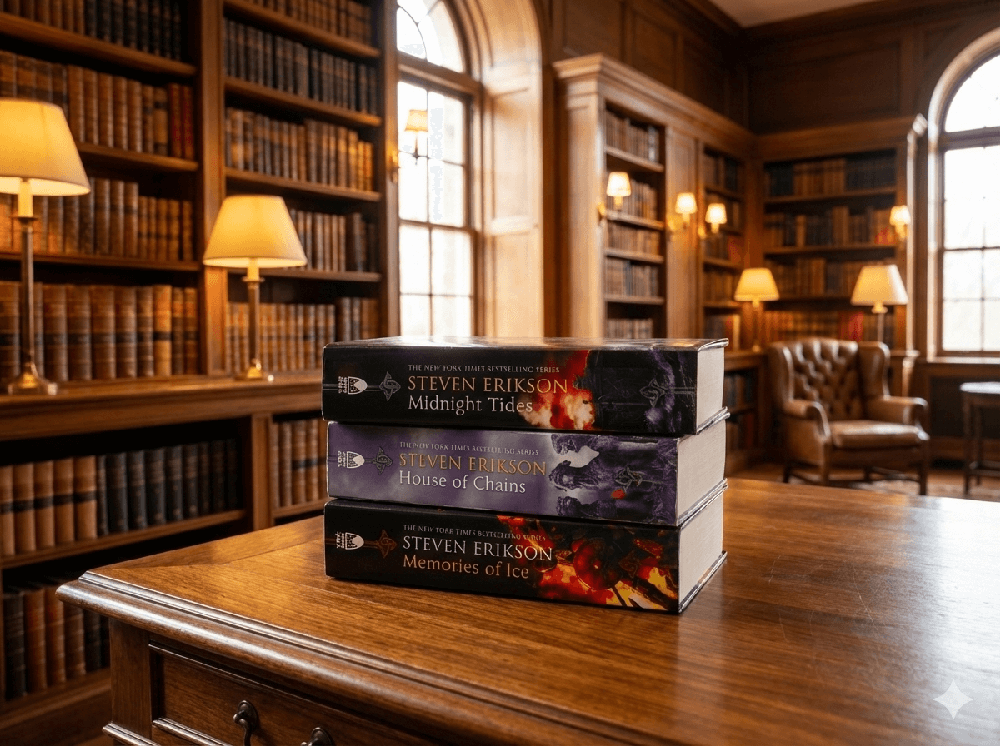
- Honorable mention: Warrens | Steven Erikson’s Malazan
- Honorable mention: Sympathy | Patrick Rothfuss’s Kingkiller Chronicles
1. True names | The enduring magic system of Le Guin’s Earthsea Cycle
Numerous magic systems use naming as a means to control things, generally centered on the concept of a true name. This system has roots in various religions and folk traditions. Unsurprisingly, Le Guin latched onto it and built a fascinating magic system around it.
At its heart, the idea is this: By knowing the true name of a thing, a wizard can control it. Sparrowhawk, the titular character in Le Guin’s A Wizard of Earthsea, uses this principle to befriend birds, to tame a dragon, and to heal himself. It’s a simple enough concept for readers to follow to interesting ends. The ways Le Guin problematizes it are even more compelling.
For instance, it’s not enough to know the sea’s name. A wizard might need to know the name of every drop of water before controlling an entire sea. Le Guin’s books also describe some things that don’t know their own names and are so free they can ignore the call even when issued by wizardry. Most fascinating is the way in which most trained wizards essentially subdue their own sexuality through use of their power (a concept only hinted at for the first few books of The Earthsea Cycle).
Le Guin’s magic system is unfathomably powerful, yet it’s tempered with very real costs and risks. And above all, Earthsea is a place that uses wizardry for endlessly interesting things.
Instead of the binary battle spells so common in early fantasy (heal wounds or cause them), Le Guin gives us a full array of tasks wizards might accomplish through magic.
Her wizards fix pots and heal cataracts. They manage the winds for sailors. They repair boats and herd goats. Sometimes they send messages, and sometimes they refrain—because any use of their power is perilous to the wizard who understands it. Wizardry feels like a lived-in, economic element in Earthsea. It’s so fully incorporated that I can’t imagine the setting without it. That alone is why I rank it above all other magic systems in high fantasy.
2. Luxin drafting | Creative and beautiful magic in Brent Weeks Lightbringer books
Brent Weeks famously yelled at Brandon Sanderson when the latter published Warbreaker just a year before Weeks’s The Black Prism hit shelves. The issue? Color-based magic. Weeks wanted to do it first. Regardless of any common hue (pun intended), Weeks’s system of luxin drafting stands very much on its own.
This magic system combines vision with physical substance.
First, vision. Drafters (mages) can typically only draft one or two colors. These are only available when they have some source of that color in sight—which leads to all sorts of clever tricks like colored lenses for the drafters or reflective armor to counter mages.
Next, substance. Whatever colors a drafter can access, the accessing mechanism spawns a physical substance, luxin, of an associated color. Luxins bring unique characteristics like durability, flammability, stickiness and so on. The evocation of luxin also allows build-up within a drafter’s body and expulsion (shooting streams or bolts of it out, for instance). There’s plenty of dueling and fighting to be done with luxin in these books. But there’s also an immense measure of craft and commerce connected to drafting.
Drafters use luxin to track one another, to build vehicles, and even to fortify a city. As with Le Guin’s system of true names, a measure of this magic system’s appeal is its utility for so many different things. Combine that with numerous cool ways to manipulate the system, and it makes for an original and compelling magic system throughout the Lightbringer series.
3. Death witnessing | An inglorious religious magic in Katherine Addison’s most popular works
Imagine a magic system that’s basically just used for feeling what a dead person felt, or thinking what they thought. And there you have the essence of death witnessing.
Addison introduces readers to this magic in a sort of mystery plotline within The Goblin Emperor. Witnessing for the dead plays a central step in finding the truth, absolving the innocent, or tracing the guilty. These of course have big narrative implications and opportunities. But death witnessing also leads to smaller ones, particularly in Addison’s novella The Witness for the Dead.
As powerful as this form of magic is, it’s the least glamorous on this list. And like most great magic systems, there are costs and gambles tied to it. In this case, the costs are primarily emotional and social. Witnesses for the dead get some formal respect but not much popularity. And it will be no surprise that feeling an almost-dead person’s almost-dead experiences won’t usually be fun.
Combine these elements and you get a magic system with a really unique fit into larger worldbuilding. It has a lived-in feeling to it that makes it deeply believable, but it also inspires a little fear—as most magic truly would in fantasy settings. Readers like me sometimes forget to be awed at the idea of a wizard wielding powers outside what I can harness. Addison’s books bring a lot of that awe back to me.
4. The One Power | A deceptively named and deceptively fascinating system in Robert Jordan’s Wheel of Time
The One Power is neither one nor solitary. But it is a power, easily ranking number two on this list in terms of raw potential. If you read The Eye of the World, book one in The Wheel of Time, you’ll find magic that feels routine among other epic fantasy of the 80s. Keep reading and you’ll find new layers in almost every following volume.
First there are fireballs, bolts of lightning, and generic healing spells. Then there’s protective magic and dark lord sealing (also fairly generic). And finally you get faster-than-light travel, mind control, military reconnaissance, the transfer of lava straight from a volcano onto baddies, and lots more.
Perhaps the biggest weakness in how this system shows up is that the first several books of Wheel of Time ignore magic’s massive logistical impacts. That changes later in the series, especially when Brandon Sanderson gets involved. By the end, The One Power feels widely integrated into how the world works. An equally important strength is that magic users themselves feel valuable and exceptional, even the weaker and less trained ones.
There’s plenty of room for mages in this system to invent and be smart, as well as to win the day with sheer power. All in all, it’s one of the most accessible and diverse systems to make it into a big series. And like Addison’s death witnessing or Le Guin’s true names, the One Power lends itself well to evoking dread and wonder.
5. Forging/soulstamping | Brandon Sanderon’s most contemplative and timely magic system
Speaking of Brandon Sanderson, almost any of his magic systems could make this list. He has come up with several distinct, graspable, and mind-bendingly spectacular ways to utilize magical powers in fantasy worlds. He also makes incredible use of the spelled out (another pun intended) limitations of each system. From allomancy to stormlight to rithmatics, there’s plenty to love.
Forging, introduced in The Emperor’s Soul, stands out as one of the most deliberate magic systems Sanderson has created. Allomany or stormlight—invaluable as they are in more pedestrian life—see most of their biggest use in colossal struggles like combat between demigod-like mages. Forging is a much slower magecraft in almost all cases shown. It’s a system of using seals (stamps) to imprint the form of something onto an object. This soulstamping process is a bit like imposing an artificial likeness. The nearer the form to the object’s actual nature, the more effectively the forgery takes.
The plotline of The Emperor’s Soul involves some somewhat desperate forging to survive. It’s also deeply concerned with how artistry and imitation coincide. I’m fairly certain Sanderson wasn’t thinking about generative AI when he wrote this (15 years ago), but it’s deeply relevant today. His recent keynote speech on art and AI reflects some of the same musings, albeit with more concrete outcomes. If you want a thoughtful companion to that speech, take a close look at the forging system.
And if you simply want a magic system that is fresh, look no farther.
Honorable mentions: 3 other great magic systems
Skill and Wit in Robin Hobb’s Realm of the Elderlings
Robin Hobb’s Farseer Trilogy introduces two seemingly separate but philosophically connected magic systems.There’s the Wit, which is about communication between animals and humans. Then there’s the Skill, which is more or less about the same things from human to human. What makes them stand out so profoundly is the way Hobb ties them to real storytelling stakes.
Warrens of Magic in Steven Erikson’s Malazan
Erikson’s system of Warrens is about drawing magical powers from a series of vaguely connected sources. It’s easy enough to follow how it shows up in Erikson’s first books, but it’s intricately layered. Most intriguing of all, there’s a sense of impermanence, given how Warrens shift, get flooded, become the settings for whole subjourneys, and so on. The magic system itself feels as old and as mortal as the rest of the world.
Sympathy in Patrick Rothfuss’s Kingkiller Chronicles
Sympathy is only one of several distinct magic systems in Rothfuss’s primary work. It’s the most unique and interesting so far, however. The main idea is about energy transfer through sympathetic links—joining like objects together. It’s limited, like virtually everything listed above, but allows endless invention. It’s the sort of magic system a group of DND players would likely break to no end, which is a good sign that it’s useful, multifaceted, and actually fun.
For more nerdy content like this, sign up for the monthly newsletter. It’s free to sign up, and you can unsubscribe any time.
About the Author

Stephen Taylor is the author of The Witherclaw Trilogy as well as short fiction appearing in The Future Fire, MYTHIC Magazine, The Centropic Oracle, and other publications. His short story “Only an Ocean” won a Silver Honorable Mention in the L. Ron Hubbard Writers of the Future Contest. When he’s not writing, he’s often playing his violin or wandering in the woods.