Tag: Fantasy

  • Craft of writing: How Brent Weeks uses third person limited point of view (POV)

    Craft of writing: How Brent Weeks uses third person limited point of view (POV)

    There are few techniques that I (as a fiction writer) think about more often than third person limited point of view (POV). And while not every reader cares about this sort of thing, most readers do care about the results when writers employ techniques like third person limited, which is the real focus of this article.

    I spend plenty of space across my blog talking about fantasy and science fiction books I love, including some reasons why I love them. With this article, however, I’m kicking off a new series that explores the same topic from a writing craft perspective, digging deeper into some individual examples that really stand out. My hope is that readers and writers alike will better appreciate and enjoy what they’re reading (or writing) as they give it some craft thought.

    First up: Brent Weeks, author of the Lightbringer Series, the Night Angel Trilogy and a new connected novel Night Angel Nemesis. Weeks is well known and regarded among epic fantasy readers, but some of his strongest skills (in my opinion) often go unsung. This article specifically explores how Weeks handles third person limited POV in his Lightbringer books.

    Here goes.

    Ground rules: What is third person limited point of view?

    Third person limited POV takes the narration into the experience, thoughts, and knowledge of a character—or set of characters—without giving the reader access to everyone’s experience, thoughts, and knowledge. Where an omniscient POV could dip into anyone’s mind when convenient, third person limited comes with some restrictions on whose information is available when.

    This most often means the narrative sticks with just one character at a time. While authors are typically strict about managing whose thoughts they follow, it’s much less common to find any set rules about how deeply in or out of those thoughts the narration might go. And that’s where things get really interesting.

    Excerpt #1:

    Wetting his lips, Kip got moving. He had the distinct sensation of being followed. Stalked. He looked over his shoulder. There was nothing there. Of course. His mother always said he had too much imagination. Just walk, Kip. Places to be. Animals are more scared of you and all that.

    The Black Prism by Brent Weeks

    When we get to this “Just walk, Kip” part, most fantasy authors (and most third person limited narratives) would use italics to demarcate character thought. Weeks foregoes the italics and just keeps the words coming. Is it Kip thinking this now, or his mother speaking in the past? Probably one and the same, with no need to distinguish between either voice in this instance.

    I’ve heard several writers and a few editors criticize Weeks for the way he handles third person limited—specifically in this choice not to italicize character thoughts when they appear within the narrative. I first want to note that readers aren’t typically complaining about this. I also want to heap praise for how effective Weeks’s technique really is.

    Here are three main strengths to consider, from a writing craft perspective, about Weeks’s approach to third person limited POV.

    1. This direct approach to third person limited POV elides between character thought and overall narration

    Use of italics for character thought creates a sort of POV false dichotomy. We’re either getting the narrator’s thoughts or the characters’.

    As such, there’s an often artificial distinction in the source of whatever information we’re reading. Use of italics separates the parts of the narrative coming from a narrator (not the character) from the character’s own time-bound, in-story, limited point of view. There’s nothing wrong with having this distinction, in my opinion. The elimination of such a distinction, however, makes the narrative more interesting and immediate.

    For a story like the Lightbringer Series, this take on third person limited POV plants a seed of bias and fallibility. To avoid spoilers for the series, let me just say that things are not always as they seem—including to the characters whose voices we probably trust. Part of each volume’s emotional power comes from Weeks’s candid exploration of the view point characters’ blind spots.

    And, because there’s not much formal distinction between the narrator’s view of things and the characters’, the story organically works these character blind spots into the wider narrative.

    Weeks could have told the same story using italics to stencil out his characters’ thoughts paragraph by paragraph. This would, however, hint at where the narrative gives us a partial truth or a misperception. As such, it would undermine many many compelling moments to come.


    Recommended Reading: 9 Unmistakable Epic Fantasy Artists

    2. Skipping italics in third person limited POV removes the false binary of being in/out of character thought

    There’s another manufactured dichotomy at work when authors use italics to show character thought. The italics introduce a sort of on/off switch. Italics=character thought. No italics=no character thought. But what about when you want to be 50% in the character’s head, like free indirect voice? Or 100% in their head, like stream of consciousness? Or just 75% in their head, like italics usually convey?

    Take a look at the passage below to see a few different ticks on this POV spectrum.

    Excerpt #2:

    Kip saw something in the mist. His heart leapt into his throat. The curve of a mail cowl. A glint of eyes searching in the darkness.

    Then it was swallowed up in the roiling mists.

    A ghost. Dear Orholam. Some spirit keeping watch at its grave.

    Look on the bright side. Maybe wolves are scared of ghosts.

    The Black Prism by Brent Weeks

    The first two sentences are probably fully removed from Kip’s head. Then, with “the curve of a mail cowl” and beyond, the storytelling camera zooms closer. Before we know it, we’re getting direct expressions of thought from the character (“Look on the bright side” for instance).

    Weeks doesn’t have to worry about how deep or how direct his POV is—or when to switch the italics on—which gives much greater flexibility to dip partially into the character’s perceptions, to move deeper still, or to withdraw. He seamlessly blends many distinct levels of connection to the characters’ thoughts. His approach to third person limited also avoids the thought/no thought binary that italics often implies.

    3. Weeks’s approach to POV moves readers closer to the characters

    Ultimately, Weeks’s use of third person limited POV gives readers a closer, more personal look at the characters about whom he’s writing. It feels, after all, as if they are writing the story with him. He tends to be more generous with character thought than many of his peer authors (much more generous, actually), which empowers his view point characters to come to life in a way more often reserved to first person narratives.

    Excerpt #3:

    It was too much information to soak up at once—broken the halo?—but it was a straight answer. Kip walked over to the dead man. His skin was pallid in the rising light. Pull it together, Kip. Ask whatever you need to ask.

    The Black Prism by Brent Weeks

    The ability to get into the character’s head is the single most unique narrative benefit of fiction. Much as film, TV, theatre and other storytelling media try to do this, there’s no stronger way to transport the audience into the character’s psyche than through a strong use of written POV.


    Recommended Reading: How Naomi Novik Uses Straightforward Exposition to Guide Readers

    Conclusion: Italics are fine too

    Weeks is by no means alone in his use of deep character immersion without italics. Writers have done this for decades if not centuries now. Ursula K. Le Guin, Patricia McKillip and Orson Scott Card have all employed similar POV techniques to great effect—just as many many skilled writers use third person limited with italics to delineate character thought.

    It might be worth stating that I’m not at all against using italics. Some writers might do this just because they’ve seen it done (and not for any distinctly craft-oriented reasons), but there are cases in which it’s extremely helpful.

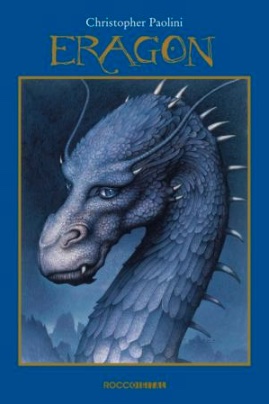
    For instance, fantasy is full of characters who communicate telepathically or who have voices reach their minds through other magical means. Imagine if Christopher Paolini’s Eragon and Saphira were trying to have a conversation without the guidance of italics (it would be hard to follow). Or imagine if Robert Jordan’s Rand al’Thor and Lews Therin Telamon were trying to outshout each other without italics to help steer the reader along. It would most likely convince the readers that Rand was going mad. But it might not convince them to keep reading.

    Italics can also be useful for omniscient third person narratives or narratives that, while not omniscient, head hop without clear patterns or distinctions to reveal when the head hopping happens. Even if you just want to use them for a single character’s thoughts, italics create a clean line of separation between the character’s perceptions and the rest of the narrative.

    It just comes down to whether you want such separation or not—and I tend to favor something else.


    For more nerdy content like this, sign up for the monthly newsletter. It’s free to sign up, and you can unsubscribe any time.

    Sign me up

    * indicates required

    Intuit Mailchimp


    About the Author

    Headshot of Stephen Taylor

    Stephen Taylor is the author of The Witherclaw Trilogy as well as short fiction appearing in The Future Fire, MYTHIC Magazine, The Centropic Oracle, and other publications. His short story “Only an Ocean” won a Silver Honorable Mention in the L. Ron Hubbard Writers of the Future Contest. When he’s not writing, he’s often playing his violin or wandering in the woods.

  • Interview: Illustrator, author, and map artist Corey Egbert

    Interview: Illustrator, author, and map artist Corey Egbert

    Earlier this month, I sat down to talk with Corey Egbert. Corey is an illustrator and author—and he created the amazing map of Foneth featured in Candle and Claw.

    Here’s our conversation, edited for brevity.

    Children's illustrator Corey Egbert, who created the map art for Candle and Claw.
    Illustrator, author, and map artist Corey Egbert

    Introductions and Artificial Intelligence

    Me: In your own words, how would you introduce yourself as an artist/person/creator/whatever else?

    Corey: I usually say I’m a children’s illustrator, but when I say that, I assume people automatically think that I suck.

    Me: *laughing because I’m mean.

    Corey: Maybe it’s just my suspicion, but I feel like people don’t take it seriously when you say you’re an author and illustrator, so I default to assuming people think I’m deluded.

    Me: Well, since most people who visit the blog are book readers, I think they’re the kind of people who probably respect authors and illustrators. So, assuming our audience is those nice, creativity-valuing people, how would you introduce yourself?

    Corey: I’m a children’s illustrator and author. I want to create art that’s inspiring, real, and honest, and that often deals with mental health—which is an important subject for me. A lot of my main projects right now are somewhat connected to mental health.

    Me: Let’s definitely talk through the projects you’re working on, but even before that can you give us any spoilery kind of insights about you ChatGPT couldn’t make up about your creative work?

    Corey: I’ve never used ChatGPT. So there’s a little spoiler. I’ve decided I’m kind of racist against AI in that I have no foundation or personal reasons why I don’t like it. I’m just generally suspicious of it. At some level I feel like process and product need to work together and be balanced for artwork. AI gives you a product without a process. On the other hand, if you have process without caring about the end product, that’s when you have something like Jackson Pollock and the abstract expressionists, people who create artwork with no meaning, which is something I’m not really into. Pollock’s art is only about process, and he became a depressed alcoholic. So my theory is that both process and product need to be married together; they cannot be divorced in order to make good art.

    Me: So you didn’t go to any generative AI to create the map for Candle and Claw, for instance.

    Corey: No. I don’t know how generative AI works, and I’m afraid of it.

    Maps and Visual Storytelling

    Me: Can you tell us a little about the projects you have coming out in the future?

    Corey: Fall of 2024 I have a graphic novel coming out called Visitations. It’s a personal memoir, and it deals with a lot of mental health in a sort of magical realism setting. I’m also working on a five-book series—graphic novel adaptations—of the Joey Pigza series, which is about a boy with ADHD and a wacky family life. I really relate to stuff like that, and it’s important to me. I love playful magical elements to that kind of story as well. And then I’m also doing the artwork for the graphic novelization of Flat Stanley, so lots of graphic novels right now.

    Me: Since you do so much storytelling kind of artwork, I’d love to hear what you think about the role of the visual in storytelling, as opposed to written words.

    Corey: The art does a lot of the talking, right? It’s hard for me to describe what it does, because it’s just supposed to do it in a way you don’t have to talk about. You can tell lots about these characters by how they look and dress, by body language. While making a graphic novel, I feel like I have to be the actor as well as the costume designer and the cinematographer and the concept artist—all of that at the same time. It’s a lot of power in a way, but it can also be really stressful. I’m trying to keep it fun. Going back to process versus product, I’m trying not to set the product up in my mind in a way that it has to be perfect when I’m done. I’m in the process right now. I want to have fun with it and be messy with it and not be so obsessed with the product that it becomes a tyrannical ideal that makes the process suck.

    Me: I’m assuming it’s a very different process for creating a map, but to a similar result, right? In that the map can do a lot of the talking for you.

    Corey: Right. As a kid reading books like My Father’s Dragon and The Lord of the Rings and stuff, I thought the maps in there were so cool. The map for My Father’s Dragon has tons of descriptions and illustrations inside it. It was so magical reading this as a seven year old and wondering what else was there in that world, where there can be little interesting spots on the map that make you ask “what kind of adventures could be had there?”

    Me: I remember spending what must have been literal hours staring at a Treasure Island map as a kid, probably after I’d read the book and found everything that really was there on paper. Sort of looking at the map and wondering “what’s there?”

    Corey: Yeah, that’s totally it. Playing something like [The Legend of Zelda] Breath of the Wild or Tears of the Kingdom, my favorite part is exploring and seeing a spot on the map and wondering what’s there—and then being able to go check it out. So it’s just discovery and open possibilities and all that. The map fires up your imagination. Little spots like a point on the My Father’s Dragon map that just says “my father doesn’t know what’s on this side of the island.” So you can start imagining right away, even if you’re not reading.


    For more nerdy content like this, sign up for the monthly newsletter. It’s free to sign up, and you can unsubscribe any time.

    Sign me up

    * indicates required

    Intuit Mailchimp


    Headshot of Stephen Taylor

    About the Author

    Stephen Taylor is the author of The Witherclaw Trilogy as well as short fiction appearing in The Future Fire, MYTHIC Magazine, The Centropic Oracle, and other publications. His short story “Only an Ocean” won a Silver Honorable Mention in the L. Ron Hubbard Writers of the Future Contest. When he’s not writing, he’s often playing his violin or wandering in the woods.

  • Why readers love Patrick Rothfuss: Digging into the data

    Why readers love Patrick Rothfuss: Digging into the data

    I’d been seriously reading epic fantasy just a year or two when Patrick Rothfuss made his debut with the publication of The Name of the Wind. It was 2007. Rothfuss’s wasn’t the first big debut of the time. Scott Lynch and Joe Abercrombie had released their first books just the year before—and to immediate acclaim. In 2005 we got our first novel from Brandon Sanderson. Naomi Novik, Jim Butcher, Nnedi Okorafor and even Steven Erikson were all new names on the scene back then.

    Despite this wave of compelling new voices, Rothfuss’s The Name of the Wind made a bigger splash in circles I frequented. Publishers fought to be the one who brought it to print. Readers raved about it. Authors admired it openly. To this day, I haven’t seen a single debut catch fire in the same way.

    There are plenty of explanations for Rothfuss’s success—such as his charisma, the intense energy of the blogging world at the time, and the serious pump-priming influence of authors preceding Rothfuss’s arrival. I’m not exploring these in this article. Rather, this article will look at actual reader data on why people love Rothfuss’s books. And for non-data kicks, I’ll share my own take on the topic too.

    A note on my methods

    ]I employed a methodology almost identical to what I did for last year’s article looking at data on why readers love The Lord of the Rings. The only real changes this time around the sun are: a) that I studied reader reviews going all the way back to 2007, accounting for Rothfuss’s full publishing lifespan; b) that I studied only reviews for The Name of the Wind (though I’ll gladly expand this when the full Kingkiller Chronicle trilogy is published); and c) that I studied 50 reviews in all, as opposed to the 200 I examined for The Lord of the Rings.

    I also came in with a clearer hypothesis about why readers love Rothfuss’s writing so much. I surmised that the top factor would have to do with the relatability of the story and character events. I don’t think I was 100% correct, but the data definitely doesn’t disprove this either.

    Here’s what I found.

    The top reasons readers love The Name of the Wind by Patrick Rothfuss

    A graph of the top 10 reasons readers love The Name of the Wind by Patrick Rothfuss.

    And here’s the text-only version:

    1. Captivation (26 references)
    2. Beauty (21 references)
    3. The characters (20 references)
    4. World-building (8 references)
    5. “Best” quality (8 references)
    6. Wisdom and quotability (7 references)
    7. Its uniqueness (7 references)
    8. Relatability (6 references)
    9. The magic system (5 references)
    10. Cleverness (4 references)

    Readers reported a number of other reasons not shown in this visualization, including humor, mystery, plotting, story structure, pacing, and foreshadowing. But the obvious top tickets merit a little more analysis.


    Recommended Reading: 9 Underrated Works of Epic Fantasy

    1. Readers find Patrick Rothfuss’s words captivating (26 references)

    A whopping 52% of the positive reviews I analyzed mentioned some form of feeling captivated as they read The Name of the Wind. Some reviewers described this in terms of the book being hard to put down. Others commented on how engrossed they were, how vivid the reading experience was, or simply by saying the story captivated them.

    Since narrative transportation makes the story memorable—and has a profound and even lasting impact on the reader over time—it’s little wonder that readers love a story that rivets their attention so successfully. It’s also interesting to note that five out of the remaining nine top reasons (beauty, characters, world-building, “best” quality, and relatability) all correlate highly with this first point. Put more simply, it’s very likely that more than just 52% of readers love The Name of the Wind for its ability to hold their attention and carry them to another place and time.

    Artist's depiction of Kvothe meeting the Chandrian Halifax, showing a lone boy facing three shadowy figures.
    Art by BradSuttonArt.

    2. Readers find plenty that evokes beauty in Rothfuss’s writing (21 references)

    There’s enough common consensus on this front that it should be no surprise to see beauty make the list of reasons readers love The Name of the Wind. With 21 nods among the reviews I studied, the indicator is that 42% of readers feel the same.

    Rothfuss has long been known among the fantasy community for his ability to write high quality prose. He’s not the most verbose in his descriptions, as far as fantasy writers go; he packs a lot in at the sentence, paragraph, chapter, and bookwide levels, however, and he does it using language that’s both fresh and digestible. Readers comment almost equally on the beauty of his language and on how easy it is to take in.

    3. The characters (20 references)

    Many 5-star reader reviews comment on how the reviewer really disliked Kvothe. In fact, this is the only consistent cause for not liking The Name of the Wind across all the reviews analyzed. Yet Rothfuss’s characters were a clear runner-up to the top two reasons readers love his writing, with love for them cropping up in 40% of the reviews analyzed for this article.

    Artist's depiction of Kvothe. A young man playing the lute in the forest.
    Art by DonatoArts.

    It’s particularly interesting that there are no obvious favorite characters. A few reviews mention laughing at Elodin, admiring Kvothe, or loving Bast. Yet the overall praise of Rothfuss’s characterization is more abstract than specific—very unlike the review data on The Lord of the Rings. This might be due to the nature of the narrative, which so closely follows Kvothe as to have few characters present throughout the book. It might also be connected to the fact that Kvothe’s narrative gives himself much more credit than it offers to anyone else, totally changing the framework for how other characters come across on the page.

    Whatever the reasoning, readers do really like the people Rothfuss puts in his world, even when their liking might be polarizing.

    A few additional notes

    These top three reasons appeared pretty equally across all three review platforms studied—Amazon, Goodreads, and Barnes and Noble. If you’ve read many reviews on each, you’ll know that they are not birds of a feather. The Goodreads review is a genre unto itself. A Barnes and Noble review is likewise a very different animal than an Amazon review. Yet the cross-platform agreement is clear.

    Furthermore, it’s probably not coincidental that the top three reasons readers shared for loving The Name of the Wind are among the very top reasons that readers love The Lord of the Rings. I don’t take that to mean these books are truly alike—but that readers are so often similar in what really catches their interest.

    Last but not least, it’s worth a qualitative comment that readers who love Rothfuss seem to have a little more fire than do readers who love other fantasy writers. This is much harder to quantify than the items listed above—and I can’t compare it in detail to too many other batches of reviews—but the general sense of awe at Rothfuss’s storytelling skill makes these reader reviews stand out from other reviews with the same numeric ratings. (I might have to write another article on that topic.)

    Conclusion: What I Love About The Name of the Wind

    Apparently there’s a lot to love about The Name of the Wind. Here’s my own take on it.

    I think Rothfuss is particularly good at capturing the personal elements in his story, meaning the elements that can be appreciated with Kvothe in isolation. Not that Kvothe doesn’t interact with other people—he does, in quite a variety of situations. But the parts of the book that speak most powerfully to me are in Kvothe’s loneliness, his poverty, his yearning to be admired and praised for his cleverness, and in his many failures. Nearly every reason readers listed above (and most of the reasons not shown) are manifest in the way Kvothe interacts with the frame narrative and the substance of the story.

    In summary, I’d say Rothfuss’s greatest skill is making the story personal. Hence my hypothesis above that other readers would find the same thing. I don’t want to read too much into it, but a glance at Rothfuss’s own life experience probably explains a lot of this—such as his clearly stated love for the college experience, which plays such a huge role in Kvothe’s narrative.

    Personal stories are captivating and beautiful. Stories that feel personal also tend to have characters that feel real and compelling to the reader. And that’s definitely how The Name of the Wind comes across to me.


    For more nerdy content like this, sign up for the monthly newsletter. It’s free to sign up, and you can unsubscribe any time.

    Sign me up

    * indicates required

    Intuit Mailchimp


    Headshot of Stephen Taylor

    About the Author

    Stephen Taylor is the author of The Witherclaw Trilogy as well as short fiction appearing in The Future Fire, MYTHIC Magazine, The Centropic Oracle, and other publications. His short story “Only an Ocean” won a Silver Honorable Mention in the L. Ron Hubbard Writers of the Future Contest. When he’s not writing, he’s often playing his violin or wandering in the woods.

  • My personal favorite works of fantasy and science fiction

    My personal favorite works of fantasy and science fiction

    I’ve often written about foundational works of epic fantasy, high fantasy, and other speculative subgenres. But I haven’t talked much about my own favorite works—despite several of them slipping into the mix of content here on the blog.

    While I can think of plenty of obvious reasons each book appears on my list, there are likewise plenty of reasons for readers not to love the same books as me. This list probably won’t match anyone else’s breakdown of favorite SFF novels. It’s personal.

    I will of course describe some reasons I think other readers will likewise care about the books I’m mentioning. But at the end of the day, I’m listing them chiefly because of my own experiences with each novel listed.

    In reverse ranking order, here goes.

    10. Harpist in the Wind by Patricia McKillip

    Covert art for high fantasy novel Harpist in the Wind by Patricia McKillip

    My loose summary: Magical bards chase each other because they like knowing stuff and out-harping one another. And to save the world from shape shifting monsters.

    No surprise that Patricia McKillip would make the list. Harpist in the Wind is the climactic finish to the Riddle Master Trilogy, and as such, it’s one of the books that really answers riddles that have been posed across the previous two volumes. This, in particular, makes for a riveting conclusion to the trilogy.

    Since I’ve talked about the Riddle Master Trilogy in some detail before, let me say simply that every time I read this series (and Harpist in the Wind in particular), I’m astonished at something. It might be the subtle structuring of Morgon’s journey. It might be the evocative beauty and sense of sorrow present in the world McKillip has created. It might just be that I forgot all the answers to the riddles and I love to find them anew.

    There’s also the whole matter of mages dueling each other with mystical geolocational powers, shape changers chasing the main characters, Earth Masters showing up with magical demands, and so on. Little wonder that I love a novel so packed with musicians, mysteries, and wizards.

    In any case, Harpist in the Wind is one of the strongest conclusions I know to any fantasy trilogy and sits firmly on my list of all-time favorite SFF novels.

    9. The Sword of Kaigen by M. L. Wang

    Book cover for M. L. Wang's fantasy novel The Sword of Kaigen.

    My loose summary: A mom and her teenage son deal with parallel disillusionment while also being martial arts masters and having to prove it to some aggressive people.

    The only indie work on this list, The Sword of Kaigen is also the most recent addition to my stack of favorite SFF novels. (And yes, I’ve talked about this one elsewhere on the blog as well).

    The Sword of Kaigen follows two main characters. One is the 14-year old Mamoru,  who experiences a fresh but powerfully relatable coming of age journey as he grapples with governmental failures and a staggering amount of new responsibility protecting his home. The other chief protagonist is Mamoru’s mother, Misaki.

    The novel is incredibly unique in how it follows these two very different characters (a teenage boy and an emotionally exhausted mother). Furthermore, it takes a decidedly unusual approach to form and story shape, building up to climactic moments much earlier in the story than is normal and dwelling longer on the resolution needed afterward. It feels like a near perfect balance between slice-of-life fantasy and martial arts epic, rolling the elements together in a way I find seamless.

    This novel makes my list of favorites not just because it’s so different and refreshing. It also packs a profound emotional punch (due to its difference, in my opinion), making it unforgettable in nearly every aspect.

    8. Harry Potter and the Goblet of Fire by J. K. Rowling

    Cover art for fantasy novel Harry Potter and the Goblet of Fire by J. K. Rowling.

    My loose summary: Harry Potter competes in games that might kill him but cares more about social footing and friends because that’s real life for you.

    I love all seven Harry Potter novels, but Goblet of Fire very quickly became my favorite of the series. It’s not just that this is the only volume to win a Hugo or that Harry finally showed that he could be more uniformly competent. Those things help, but there’s so much more going well for this book.

    On one hand, Goblet of Fire has an amazing cast of side characters, including Ludo Bagman, Barty Crouch Sr., Barty Crouch Jr., and Rita Skeeter. Every Harry Potter novel has a similarly wondrous cast of characters that are neither chief villain nor principal friend to Harry, but I think the ensemble shines brighter in this volume than in any of the previous books, paving the way for some serious expansion in the next two volumes.

    Likewise, Goblet of Fire really set the tone for how the series could continue to be deadly serious while also zooming in on the everyday struggles of homework and having to go to a school dance. I think it’s fair to say that the plot is less fully baked in this book than in a few others in the series, but the constant tension between big stakes and small ones that really matter to the characters makes for a book that is constantly engaging, funny, warm, and heart-wrenching.

    7. Eldest by Christopher Paolini

    Cover art for epic fantasy novel Eldest by Christopher Paolini.

    My loose summary: All the main characters realize they’re making serious mistakes and have to learn or do some big stuff or else get eaten by the Raz’zac.

    Unusual though this may be, I often like book two in a series best of all (you’ll find three instances of book number two in a series on this list, actually). In most cases, the story doesn’t stand alone. The ending might not even be an end. But these still so often wind up as my favorites, as Eldest is among Christopher Paolini’s Inheritance Cycle.

    Paolini (and everyone on this list) has plenty of critics, but one of his great strengths as a writer is his ability to create a story spanning a wide spectrum of emotions. Some writers try, rather, to get one consistent tone or feeling throughout the full novel. This might seem cohesive, on the surface level, but it’s actually draining to read (no matter what the emotion is) and unrealistic.

    Eldest, in particular among Paolini’s books, weaves together smaller storylines about fear and suspicion, new friends found, pain, growth, unrequited love, unflinching love, new wounds forming, older wounds healing, and so many other parallel lines of feeling. There are within the manuscript great moments of failure, just as there are moments of immense hope.

    Every volume on this list (not an exaggeration; every volume) stitches together a similarly wide band of emotions, but Eldest is one of the books that first made me conscious of this dynamic.

    I think it could remain on my list of favorite books for that alone. After all, reading it has subsequently enriched my reading experience of all other stories.

    6. The Dark Forest by Cixin Liu

    Covert art for science fiction novel The Dark Forest by Cixin Liu.

    My loose summary: Four wildly smart people hatch secret plots to save the world while under constant up-close surveillance. Most of them end up getting tried for crimes against humanity.

    The second second book on the list, The Dark Forest is the lesser known volume following Cixin Liu’s highly regarded The Three-Body Problem. It is, however, not only an exceptional sequel but an incredible novel in its own regard.

    Part thriller, part mystery, part hard science fiction philosophical inquiry, The Dark Forest follows Luo Ji, a somewhat indifferent sociologist who gets thrown into an elite international circle and tasked with saving humanity from invading aliens. Various parties try to cripple or remove Luo Ji and his colleagues, so there’s no shortage of close calls, escapes, and intrigue.

    The real heart of the novel, however, comes from the link between Luo Ji’s task and his motivation for actually trying to complete it. To keep this fairly spoiler free, I’ll simply say that Cixin Liu really brings together the best of character-led storytelling and compelling hard science fiction concepts. Your reading might be enriched if you’re familiar with the first law of thermodynamics or the Fermi Paradox, but the story itself is powerful even without its ties to physics and cosmic sociology.

    5. Speaker for the Dead by Orson Scott Card

    Covert art for science fiction novel Speaker for the Dead by Orson Scott Card.

    My loose summary: Scientists and aliens try to understand each other and keep messing up, which risks their planet getting obliterated.

    Another second book in a series, Speaker for the Dead often falls under the reputational shadow (this is a pun) of other Enderverse novels. But there’s a stellar story here about the cultural power of words and the pain and solace that accompany them.

    Where Ender’s Game, mentioned later on this list, focuses on a much smaller cast of five or six key characters, Speaker for the Dead follows a large community of scientists, sentient aliens, families, and community leaders entangled in a search for knowledge.

    It’s a fairly standard sequel in the sense that it directly follows the events of Ender’s Game. It’s a wonderfully different sequel in how it stands on its own, thematically, and tells several whole stories even without finishing the series. This is not the only book on this list that ends with many threads left untied, but it might leave the biggest ones handy of any books I’m mentioning here. That said, Speaker for the Dead also has one of the most vivid endings of any novel I’ve read—hitting with greater force than nearly any other.

    Since I can remember the endings of eight books on this list well enough to quote them directly, I take Speaker for the Dead’s ending, almost alone, as evidence of its lasting impression on me.

    4. The Way of Kings by Brandon Sanderson

    Cover art for epic fantasy novel The Way of Kings by Brandon Sanderson.

    My loose summary: A slave becomes a boss.

    I was an early Brandon Sanderson reader. I got my hands on Elantris and later Mistborn shortly after they were released, with high hopes for both. It wasn’t until The Way of Kings came out and my brother gifted it to me that I became a Sanderson fan, however.

    The Way of Kings isn’t just next level for Sanderson. It’s next level epic fantasy in many genre-reaching ways. The scope and breadth of the story are, of course big (for lack of a more appropriate word that hasn’t been bandied plenty often already). But The Way of Kings still manages to thrive in smaller, more personal moments about perseverance, purpose, curiosity, belief, and fellowship. Long story short, the epic moments are about as epic as epic fantasy goes. And the personal moments are poignant in ways that bely the book’s massive wordcount.

    The worldbuilding is incredibly refreshing, the action is gripping, but what I love most about The Way of Kings is how hopeful it feels. Even as it tells a story about cycles of cataclysmic collapse, it presents a stalwart optimism that there’s a way forward. For all the instances of brutal mistreatment of underlings—some who are soldiers and some who are slaves—it’s a story about people rising above circumstances they shouldn’t be able to control by themselves.

    In most instances, The Way of Kings is about how people nurture each other’s hope and buoy one another only by banding together. Interestingly, nearly half the books on this list are about serious loners. Whether because of that trend in my tastes or in spite of it, The Way of Kings puts its stake in a wonderfully different spot of ground.

    3. The Farthest Shore by Ursula K. Le Guin

    Cover art for high fantasy novel The Farthest Shore by Ursula K. Le Guin.

    My loose summary: The world’s coolest wizard goes on an epic sea quest to stop everyone in Earthsea from getting seriously depressed.

    My loose summaries are obviously a little silly, but this one actually speaks to one of my favorite parts of this novel. The Farthest Shore isn’t a story about how horrible it would be if Thanos snapped his fingers and half of everyone died, or if Sephiroth called a meteor and it blasted the planet to bits. The stakes are much lower on the cosmic scale and much more real on the personal one.

    Where countless other fantasy novels are about the danger of everyone dying, The Farthest Shore is about the danger of everyone in the world losing their love of life.

    Magic, music, artistry, poetry, all these crafts are vanishing from the world, leaving people discouraged, listless, and hopeless. In a very Le Guin way, the novel’s events demand a solution that fits the issue, so instead of seeing a heroic character like the wizard Sparrowhawk get killed to save the world, we see many characters give up something beautiful and go on living anyway, not really knowing how they’ll proceed.

    It’s tragic, heroic, epic, poetic, and I never get tired of revisiting it.

    Oh, and there’s plenty of cool wizardry along the way.

    2. Ender’s Game by Orson Scott Card

    Cover art for science fiction novel Ender's Game by Orson Scott Card.

    My loose summary: A lonely kid has to save the human race from aliens because the grown-ups won’t let him have friends until he does.

    Another hard science fiction novel, another novel about finding a way for humanity to survive the threat of alien invasion, and the first author repeat on this list, I’ll leave most of Ender’s Game unsummarized. Since this is the second most well-known book on the list, you’ll probably be familiar with the concept, at least: After narrowly surviving one alien invasion, humanity has turned for help to a small coterie of highly intelligent children in anticipation of another.

    Ender’s Game is in many ways about how children and adults are so very alike. It’s also concerned with the ones we call our heroes are very much like the ones we call our enemies. At any rate, what I love most is how packed this short novel is with keen insights into why we do the things we do. It’s a masterwork in terms of worldbuilding, pacing, and point of view, but for me the wisdom and paradox of the narrative outweigh even the expert assembly that make a story of them.

    1. A Wizard of Earthsea by Ursula K. Le Guin

    Cover art for high fantasy novel A Wizard of Earthsea by Ursula K. Le Guin.

    My loose summary: The world’s coolest wizard goes on an epic sea quest to confront his childhood trauma and personal mistakes.

    This is the novel I’ve read the most times of any on this list (by far). Like Le Guin’s The Farthest Shore, A Wizard of Earthsea has presented me with new gems to treasure each time I return to its pages.

    On the surface, this looks like a simple coming of age redemption story. A reckless young wizard looses a monster on the world and has to stop it before it ruins everything. In standard Le Guin fashion, however, the stakes are actually personal rather than explosive. Yes, there’s a risk of trouble and even destruction if Sparrowhawk fails in his quest, but the real prices are for friendships that fail, boats that get broken, pets that get left behind in the snow, and the loss of selfhood threatening Sparrohwawk at every turn.

    I’ve written more about this book on the occasion of A Wizard of Earthsea’s golden anniversary in 2018, but for the sake of this already lengthy post I’ll just leave it at this: I waffled for years between reading and not reading, having a legitimately hard time believing I’d find a book worth my time. But after reading A Wizard of Earthsea, I’ve never stopped reading new ones.

    Since this book made a hungry reader of me, I can’t praise it enough.


    For more nerdy content like this, sign up for the monthly newsletter. It’s free to sign up, and you can unsubscribe any time.

    Sign me up

    * indicates required

    Intuit Mailchimp


    Headshot of epic fantasy author Stephen Taylor.

    About the Author

    Stephen Taylor is the author of The Witherclaw Trilogy as well as short fiction appearing in The Future Fire, MYTHIC Magazine, The Centropic Oracle, and other publications. His short story “Only an Ocean” won a Silver Honorable Mention in the L. Ron Hubbard Writers of the Future Contest. When he’s not writing, he’s often playing his violin or wandering in the woods.

  • Top-tier epic fantasy written by women

    Top-tier epic fantasy written by women

    I’ve many times seen strange comments on Twitter or Reddit about a lack of good epic fantasy written by women. Maybe the people making these comments just haven’t gone looking—because there’s plenty out there to find.

    Not all readers will agree on what I’m qualifying as epic fantasy today. But the works I’ll mention below all fit a few main criteria. They feature large storylines and casts of characters, secondary fantasy settings (even when they feel more like historical locales and cultures), the involvement of godlike magical beings, or just magical occurrences on an epic scale.

    With these criteria in mind, here’s a modest handful of outstanding epic fantasy written by women, including:

    The Farseer Trilogy by Robin Hobb: Epic, coming of age fantasy written for adults

    Cover art for Robin Hobb's book, Assassin's Apprentice, showing a tangled set of antlers.

    Robin Hobb, also known as Megan Lindholm, has a huge library of hard-hitting fantasy to her name(s). Her Realm of the Elderlings series spans 16 books. The Farseer trilogy is where most readers discover the series and remains Hobb’s most popular work to date.

    Farseer has plenty in common with other epic fantasy. There’s a medieval setting, magical training, and quests for the main character. The story also features mysterious enemy entities threatening the protagonist’s home, complex internal politicking, etc. Most epic fantasy readers will have read something with a similar macro plotline. What really makes Farseer stand out is Hobb’s unique delivery.

    On one hand, Hobb is refreshing in her choice to tell an epic story—which features a big cast of involved characters—all through the first-person point of view of a single character. Hobb’s approach to the coming of age journey in Farseer is unique as well. It follows FitzChivalry Farseer from his childhood into maturity in a way that’s clearly written for adults in the first place.

    I can’t say enough about Hobb’s ability to put distinctive characters and settings on the page. Skill for skill, I consider her at the top among epic fantasy writers. She’s an obvious choice when looking for epic fantasy written by women.

    Sign up for the newsletter

    Get the latest articles and updates on The Witherclaw Trilogy with Stephen’s monthly newsletter. Subscribing is free and you can opt out whenever you want.

    The Lotus Kingdoms Trilogy by Elizabeth Bear: Deep works without the monstrous wordcount

    Cover art for Elizabeth Bear's book, The Stone in the Skull, showing a dragon facing off with a swordsman.

    Like Hobb, Elizabeth Bear is a veteran author with a large library of works to show for herself. Bear has published over 65 short stories and 30 completed novels (all within just 20 years or so). She has shown her skill across epic fantasy, science fiction, and alternate history, among other speculative subgenres.

    Perhaps thanks to her serious work writing short stories, one of Bear’s notable powers is telling a story quickly. This skill is especially rare among epic fantasy writers. Yet Bear demonstrates it across multiple epic series, such as her Eternal Sky Trilogy and The Lotus Kingdoms.

    Bear’s books feel as if they were written with a clear sense of what the author wanted to say. So rather than being just another series about a band of misfits running interference in an inter-kingdom war, The Lotus Kingdoms brings its own refreshing sense of perspective to the type of story many epic fantasy readers expect. The story stands apart as a result. And it’s worth repeating how consistently Bear tells expansive stories in fleshed out settings without resorting to immense page counts.

    The Inheritance Trilogy by N. K. Jemisin: Smart books that honor their readers

    Cover art for N. K. Jemisin's epic fantasy book, The Hundred Thousand Kingdoms, showing an ornate stained-glass ceiling.

    I could just comment on how N. K. Jemisin is a MacArthur genius or the only author to win the Hugo award for all three books in one trilogy. But let’s talk writing quality as well.

    I recall feeling a little underwhelmed when I first began The Inheritance Trilogy. I soon realized it was because I had just read several books that insisted on explaining everything. Unlike many of her peer authors, Jemisin rarely dumbs things down for her readers. She writes with a great level of respect for the people picking up her books. The narrative skims over parts readers can figure out for themselves, leaving things understated rather than making them too obvious.

    That’s not to say that she refuses to offer any exposition or that her books are impossible to follow. But it is to say that Jemisin (a lot like Bear) packs more inside by using fewer words. Her books also offer higher reader rewards as you figure things out, follow characters’ logic, make sense of the setting on your own terms, and so on.

    Outside onlookers often comment first on Jemisin’s literary qualities—such as her audacity to write epic fantasy in second person. While, yes, this is an interesting thing about works like Jemisin’s Broken Earth trilogy use second person, I think there’s a lot more smarts and heart at work than just what this kind of surface level analysis will reveal. Given Jemisin’s consistent quality, she’s a must-read on my list of epic fantasy written by women.

    The Merlin Trilogy by Mary Stewart: Writing what the author wanted

    Cover art for Mary Stewart's fantasy novel, The Crystal Cave, showing a young man approaching a castle.

    I’ve read several Arthurian fantasies, but none as striking as Mary Stewart’s Merlin Trilogy written in the 1970s, before epic fantasy as we now know it was much of a thing. Maybe this one stands out because it’s more about wizardry and technology and mysticism and less about being a king.

    Stewart’s trilogy feels like a historical fantasy. It’s particularly carefully crafted in terms of its connected lore. But it also feels like the result of an author simply writing what she wanted to read, unrestricted by genre bounds and storytelling tropes. And maybe this is also a result of the timing. So few fantasy works were mainstream yet, making the whole trilogy courageous and new.

    The long and short is that Stewart’s trilogy is dark, political, tragic, inventive, sometimes astonishing. It’s always magical in tone and delivery. It’s not an easy tale to read, by any means. Yet it’s one I don’t think I’ll forget any time soon. And it’s already been fifteen odd years since I read any of it.

    Crown of Stars by Kate Elliott: Epic fantasy for readers who want doorstoppers

    Cover art for Kate Elliott's epic fantasy novel, King's Dragon, showing an armored warrior on horseback.

    In the 80s and 90s, publishers really began to realize that many epic fantasy readers were looking for long, continuous stories that stick with the same characters over time. Wheel of Time by Robert Jordan is probably the most popular series giving rise to this, with George R. R. Martin’s A Song of Ice and Fire following several years later, and Steven Erikson’s Malazan Book of the Fallen coming soon thereafter. Kate Elliott was one of the first women to write such a doorstopper series, Crown of Stars.

    While the first few volumes read fairly well on their own (in order, at least), the series quickly becomes one that demands a long reading journey to find answers. At seven large volumes, Crown of Stars is packed with large casts of characters, many different settings and cultures drawn from medieval Europe, and magical convergences on a grand scale.

    Like so many other epics, Crown of Stars still manages to focus on coming of age storylines as well, following two young outsider characters who have to find their place in the world during the midst of these political, monumental events. In this way, particularly, the series feels a lot like what fans of Tad Williams or Robert Jordan were looking for as these books first came out.

    Sword of Shadows by J. V. Jones: A highwater mark in high fantasy

    Cover art for the epic fantasy novel A Cavern of Black Ice by J. V. Jones; an arctic landscape with wolves harrying a young woman and a young man.

    As I’ve mentioned on the blog before, I’m a big fan of J. V. Jones’s Sword of Shadows, a monumental series that merits a lot more reader attention. Sword of Shadows can rightly be compared to works like Malazan and A Song of Ice and Fire. Jones writes with truly remarkable skill establishing setting, populating her world with unforgettable characters, and digging deep into the story, not just spreading it wide—as often happens in multivolume works of fantasy.

    Sword of Shadows is particularly significant in how consistently it humanizes both its heroes and its villains (some who are clearly horrible and some who are much more nuanced). While the story follows a few main characters on their quest to stop the Endlords from destroying the world, Jones spends a large amount of time in the minds of her antagonists as well. The stakes get high very quickly as a result.

    Furthermore, Jones validates her high stakes quickly by letting the world make permanent marks on its characters. Like Erikson, Martin, and Hobb mentioned earlier, Jones lets her characters face serious consequences for their own choices and the actions of others in their world. The result is a setting that feels as dangerous and alive as the villains in whose heads we spend some serious time.

    All in all, Jones writes with the best in the genre.

    The Green Rider series by Kristen Britain: A friendly entry point to epic fantasy

    Cover art for Kristen Britain's epic fantasy novel Green Rider, showing a young woman on horseback in a forest.

    Kristen Britain’s Green Rider series is fairly long (and still growing), but might offer the most accessible starting point on this list for readers new to epic fantasy. Britain bridges the gap between YA and adult fantasy in many ways, gradually easing into the series with smaller plots, fewer characters, and shorter books at first, but a good amount of expansion and depth with each new volume.

    Like Hobb and Jemisin, Britain also does a lot to connect readers to the smaller storylines and less epic doings of her characters. But like everyone on the list, she brings in kingdom-crushing consequences and high stakes for her characters and setting as well.

    Last but not least, Britain is one of many epic fantasy writers with a clear and abundant love for horses. There are many essays to be read on how writers do or don’t get horse facts right in their books, but I’d bet on Britain’s equestrian experience and know-how, based alone on the care she devotes to it in these books.

    Many More Epic Options

    There are far too many stellar works and authors for me to write about them all here. So here’s an additional list you might want to investigate:

    • Katherine Kerr’s Deverry Cycle
    • Rebecca Roanhorse’s Between Earth and Sky
    • Melanie Rawn—just about anything she’s written, but the Dragon Prince trilogy for sure
    • Fonda Lee’s The Green Bone Saga, which won’t fit everyone’s definition of epic fantasy but is, in Lee’s own words, “an epic fantasy that was not set in medieval Europe,” (and is definitely epic)
    • Barbara Hambly’s Winterlands series
    • Kameron Hurley’s The Worldbreaker Saga
    • Karen Miller’s Kingmaker, Kingbreaker
    • Rachel Neumeier’s Tuyo

    And all this isn’t even to mention my personal favorite high fantasy authors Patricia McKillip and Ursula K. Le Guin, both who have written some very epic stuff—in eras where their publishers were very dominated by male authors.

    I’ll conclude as I started, plus one addition. First, Twitter and Reddit are full of people saying nonsense things. And second, if you want to find top-tier epic fantasy series, trilogies, or even standalone works written by women, there’s a lot out there to like.


    For more nerdy content like this, sign up for the monthly newsletter. It’s free to sign up, and you can unsubscribe any time.

    Sign me up

    * indicates required

    Intuit Mailchimp


    About the Author

    Headshot of epic fantasy author Stephen Taylor.

    Stephen Taylor is the author of The Witherclaw Trilogy as well as short fiction appearing in The Future Fire, MYTHIC Magazine, The Centropic Oracle, and other publications. His short story “Only an Ocean” won a Silver Honorable Mention in the L. Ron Hubbard Writers of the Future Contest. When he’s not writing, he’s often playing his violin or wandering in the woods.

  • Actual data on why people love The Lord of the Rings

    Actual data on why people love The Lord of the Rings

    The question has never been whether but why so many people love The Lord of the Rings. It can be a polarizing topic, largely because the series has so many devoted fans.

    Since it has been almost 70 years since the books were first published, there’s no shortage of opinions on their virtues and shortcomings. Readers routinely look for like books as well.

    I believe some illumination on the root of The Lord of the Rings’s fandom might explain why people have strong feelings about Peter Jackson’s movie trilogy, Amazon’s new Rings of Power TV show, and the various other hot topics adjoining the books. So, I’ve fielded some firsthand data on why people claim affinity with The Lord of the Rings. And I looked through 200 different reader reviews to gather primary accounts of readers’ experiences.

    To see my methods in full, skip to the end. Let me just be clear that I’ve gathered data on why people like the books—not any other media officially or unofficially associated with the lore of Middle-earth.

    Here’s what I’ve found.

    The top reasons readers love the The Lord of the Rings books

    Across the 200 reviews I studied, readers gave a total of 401 reasons for loving the books. While I found a decent measure of variety in why people love these books, there were some obvious recurring themes:

    A graph showing the top reasons readers love The Lord of the Rings, starting with the characters.

    Here’s a closer look at the top five categories of reader response, plus a few other findings.

    1. The characters (81 responses)

    More than 40% of positive reviews showered love on the characters. Believe it or not, I was pretty sure this would be the winner long before I looked at the data.

    Readers praised both the underdog characters like Frodo and Sam (Sam especially), but they also love specific iconic scenes starring numerous other characters. Many readers mentioning transportation, heroism, and theme also indicated love for the characters. For the purposes of this article, I didn’t code these references as mentioning characters, but I think it’s safe to say there are even more reviewers than the 40% I found who would also list characters among their chief reasons to love these books, making it the clearest reason by far that people love The Lord of the Rings and keep coming back to this series.

    2. The quality of being the absolute BEST in epic fantasy or literature itself (63 responses)

    Well over 25% of reviews call The Lord of the Rings the greatest work of fantasy, if not the finest work of literature in English or any other language.

    Few reviews spelled out why they hold this precise belief, so this is a unique category. Whereas other categories were often layered—for instance, readers typically mentioned both heroism and the cast of characters within the same review—the quality of being the absolute best often appeared as the whole substance of the review.

    I think it’s safe to say some of these reviewers were just lazy and didn’t want to write things out. Furthermore, I’d weight this number a little lower in the overall list of reasons, even though it occurred so often in the data.

    3. Potential for / enjoyment from rereadability (48 responses)

    Nearly 25% of reviews mention that this is not their first time reading The Lord of the Rings. More than half of these reviews mentioned that the reviewer had, in fact, read the series many times.

    I landed on a few overall conclusions from this finding. First, readers really love The Lord of the Rings. Second, there’s clearly something unique here that invites readers to come back again and again. Third, it’s also clear that only a work that has been published nearly 70 years could have such a strong corps of readers who’ve read it again and again. Readers just haven’t had as much time to reread all of a newer authors’ works.

    It’s worth mentioning the multiple globally newsworthy media tie-ins too. Big movie adaptations always spur renewed interest in the books. Having many adaptations through the years clearly hasn’t hurt the series’ potential for being read and reread.

    4. Transportation of the reader (35 responses)

    Another reason why people love The Lord of the Rings: They feel like they can go to Middle-earth by reading. Many reader accounts (close to 20%) indicated feeling like they were present in the setting while they read.

    These readers talk about losing track of time. They also report feeling emotional connections to the people and events of the story, and being truly sad to reach the end of the series and must return to their own lives. Quite a few readers attribute this to Tolkien’s rich world-building and vivid imagery, so there’s some clear overlap between transportation and other topics at work here.

    5. World-building depth and creativity (34 responses)

    It goes perhaps without saying that Tolkien’s breadth of world-building is almost totally unmatched across the landscape of fantasy worlds. It’s likewise no surprise that so many readers find themselves immersed in the story and uncover new gems every time they reread the series. There’s just a lot there to make the story come to life.

    That said, world-building was also one of the two biggest complaints across positive reviews: Many readers want less. They didn’t always want everything Tolkien offers.

    Additional observations from the book data on The Lord of the Rings

    Even if world-building and transportation were summed together, readers’ love for the characters in The Lord of the Rings is the clear leader, categorically. Readers have long praised Tolkien’s characters to the heavens. The likes of Samwise Gamgee and Aragorn appear especially often in the tomes of reader responses. Éowyn was the character mentioned next most often—and her scene with the Witch-king of Angmar was the single scene mentioned most often throughout all reviews studied.

    The overall breakdown of favored attributes is different depending on the book. For instance, reviews of The Fellowship of the Ring were less likely to talk about the battles or the sense of hope present in the text, as compared to the following two volumes. Also, reviews of The Return of the King were much more likely to say something to the effect of “this is the best fantasy series ever” than reviews of the other two books were.

    Bonus findings: Outliers and common complaints from readers who love the books

    The most common complaint throughout positive reviews is that the books are slow. I haven’t studied what people who hate the books are likely to hate. But I think it’s validating to share that readers get tired of the long descriptions—and specifically the poetry—even among the most loyal cohorts of fandom. So you’re totally allowed to say that the books are sometimes slow, no matter how much of a devotee you are.

    Outlying readers (one each) also mentioned the following as their reasons for loving the work:

    • That The Lord of the Rings got them to read other books
    • That they loved the complexity of the interwoven plots and lore
    • That the wizards are awesome

    Conclusion

    An analysis of 200 reader reviews can’t truly capture all the reasons why people love The Lord of the Rings. Numerous fan reviews say, in fact, that they can’t explain why they love the books so much. The number of repeated, impassioned references to the same topics, however, truly does elucidate a lot of the enduring power The Lords of the Rings embodies for its readers.

    If you’d like to take a look at how I went through my data-gathering and analysis, read on!

    Summary of methods

    Here’s a moderately detailed breakdown at how I went about my analysis.

    • I analyzed 200 reader reviews in total: 64 each for The Fellowship of the Ring and The Two Towers, and 72 of The Return of the King
    • I only studied 4 and 5-star reviews, using these numeric rankings as markers that the readers really do love (or at least seriously like) the books
      • My bald assumption is that if readers don’t love a book, they won’t give it more than 3 stars
    • I farmed my reviews across Amazon, Goodreads and Barnes and Noble, weighting for the platforms with more reviews. In essence, I studied about 50 each from Amazon versus 10-15 each from Goodreads and 8-12 each from Barnes and Noble.
      • One one hand, this accounts for the different volume of reviews available on each. Amazon has the most reviews of the three, followed by Goodreads, with Barnes and Noble housing the smallest corpus of reviews.
      • I also chose to work across platforms because the mode of review is VERY different on each. For instance, Goodreads reviews were often written as miniature pieces of fan fiction (no lie).
    • I chose to use public-facing reviews as a sort of marker of the reader community’s values. Because I was working entirely with self-reported data, you have to take it all with a grain of salt. I believe it’s about as accurate as any qualitative fandom data can be.
    • As I analyzed each review, I qualitatively coded the texts to find common threads, terms, topics, etc. represented above. I’ve maintained the data unique to each book in the series. However, I lumped it all cumulatively together for purposes of my actual analysis.
    • I essentially avoided doing any sentiment analysis, since the free form of a review doesn’t account for how much each reader rated each different thing they loved. Basically, if they say “the characters are amazing,” I coded it as a single point for the “characters” topic. So readers might in fact love the world-building much more than they love the characters. It’s just that more unique readers mentioned the characters than anything else.
      • Many reviews log multiple points (characters, prose, world-building, etc.), while some only had one.
      • I ignored any reviews that said the books were great without saying at least something specific about them.
      • I also had to toss some reviews out, by nature of the product review system; some were only describing the physical product itself and not the substance of the books. So I discarded about 70 reviews that just mentioned the book cover being scratched, the delivery packaging being trashy, the cover art being amazing, etc.
    • During my analysis, I also compared side-by-side to see whether reviewers on Amazon, Goodreads, or Barnes and Noble noted readers noted different categories across each book. Basically, readers said the same things in every platform. Oddly enough, reviewers were much more likely to describe how hot Orlando Bloom was in Barnes and Noble reviews. Gandalf or Éowyn also got a lot more praise in Goodreads reviews.
      • While the substance of reviews stayed consistent across platforms, the style and length of reviews varied immensely. Suffice it to say that the review platform does play a role in making the review itself different.

    Thanks for reading to the end!


    Sign up for the newsletter to get more nerdy content like this in your inbox.

    Sign me up

    * indicates required

    Intuit Mailchimp


    About the Author

    Headshot of epic fantasy author Stephen Taylor.

    Stephen Taylor is the author of The Witherclaw Trilogy as well as short fiction appearing in The Future Fire, MYTHIC Magazine, The Centropic Oracle, and other publications. His short story “Only an Ocean” won a Silver Honorable Mention in the L. Ron Hubbard Writers of the Future Contest. When he’s not writing, he’s often playing his violin or wandering in the woods.

  • 9 unmistakable epic fantasy artists

    9 unmistakable epic fantasy artists

    I love to track the work of epic fantasy artists almost as much as I love keeping up with epic fantasy itself. But there’s plenty of forgettable cover art in epic fantasy. It’s probably no one’s fault; there are plenty of forgettable books in the genre to begin with. It’s also typical that no one involved in making a book cover gets much time, context, or money for their work.

    Book publishing authorities sometimes put forward another theory: That publishers produce a bunch of drab covers to make amazing ones truly shine. Whether you buy this or not, you can definitely find amazing, standout covers parting the clamor of so many others.

    Here are a few epic fantasy artists whose work truly distinguishes itself:

    1. Magali Villeneuve
    2. Todd Lockwood
    3. Ivan Belikov
    4. Rovina Cai
    5. Michael Whelan
    6. Tommy Arnold
    7. Kinuko Y. Craft
    8. Richard Anderson
    9. Raymond Swanland

    1. Magali Villeneuve

    Book cover for The Witcher; cover by epic fantasy artist Magali Villeneuve

    Self-taught French artist Magali Villeneuve is probably best known for her Stormlight Archive paintings or her illustrated edition of Robin Hobb’s Farseer Trilogy. She has also done cover art for Mercedes Lackey, Trudi Canavan, Jon Skovron, and Andrzej Sapkowski.

    While Velleneuve’s work tends to be extremely character focused, it’s easy to recognize her expansive backdrops and epicly detailed backgrounds as well. As such, her art consistently stands out among the ranks of top-tier epic fantasy artists.

    2. Todd Lockwood

    The Gathering Storm Wheel of Time cover, created by epic fantasy artist Todd Lockwood

    If you’re an epic fantasy reader, you’ve probably seen a Todd Lockwood cover before. His work includes cover illustrations for The Wheel of Time, Malazan, many of R. A. Salvatore’s books, and his own novel The Summer Dragon.

    Lockwood has done work in quite a few styles, ranging from crisp and clear to more gritty, ethereal, or even minimalistic art. If there are any common threads throughout, it’s that Lockwood is known for his high magic types of scenes and his many, many distinctive dragons. Few epic fantasy artists have a catalog of work as expansive as his.


    Recommended reading: 10 Underrated Works of Epic Fantasy

    3. Ivan Belikov

    Book cover for The Priory of the Orange Tree, created by epic fantasy artist Ivan Belikov

    Speaking of dragons, here’s a bold one. Ivan Belikov’s fantastical artwork gained a lot of acclaim when he created the cover art for Samantha Shannon’s The Priory of the Orange Tree—which is a strong representation of Belikov’s overall style.

    Through just about all of Belikov’s work you’ll find audacious textures, vibrant color palettes, and huge, snarling critters. It’s not a style you’re likely to forget once you’ve seen it.

    Sign up for the newsletter

    Get the latest articles and updates on The Witherclaw Trilogy with Stephen’s monthly newsletter. Subscribing is free and you can opt out whenever you want.

    4. Rovina Cai

    Book cover for The Book of Dragons,  with art by epic fantasy artist Rovina Cai

    Like Belikov, Rovina Cai brings a style that seems completely unashamed to be illustrated. Her work is quickly recognizable for its clear, stark strokes, which Cai uses to draw the eye in an incredibly organic way. She also makes impressive use of negative space, disguising one element as another on the regular.

    Cai has provided art for authors like Darcie Little Badger, Naomi Novik, and Patrick Ness, along with numerous pieces for Tor.com’s short fiction. You’ll regularly find her work up for SFF’s top awards.

    5. Michael Whelan

    Book cover for The Dragonbone Chair, created by epic fantasy artist Michael Whelan.

    Few artists have worked as widely across the industry as Michael Whelan. Marion Zimmer Bradley, Michael Moorecock, Tad Williams, Ray Bradbury, Anne McCaffrey, Arthur Clarke, Barbara Hambly, Sean Russell and Stephen King are just a very few of the authors for whom Whelan has provided cover illustrations.

    Whelan has proven himself to be unbelievably adaptable, providing pulpy covers one moment and esoteric work the next. He seems to have traveled with the zeitgeist many times, almost reinventing his style as it would seem. Little wonder that he’s still covering (that’s a pun) the biggest names in SFF today. And little wonder that he stands out among so many epic fantasy artists.

    6. Tommy Arnold

    Harrow the Ninth book cover; art by Tommy Arnold.

    Robin Hobb, Joe Abercrombie, John Chu, and David Dalglish have all benefited from Tommy Arnold’s artwork, and he has provided covers across nearly every major U.S. publisher of science fiction or fantasy.

    Arnold has perhaps the most elevated modus operandi of any names on this list, with an obvious skill for near photorealistic depictions—though many of his illustrations are boldly stylized as well.

    7. Kinuko Y. Craft

    Od Magic book cover; art by Kinuko Y. Craft.

    Elevated might be the right term for Kinuko Y. Craft’s work as well. Craft’s knowledge of European art is apparent in her many covers for Tanith Lee, Patricia McKillip, and some bard called William Shakespeare. You’ll find in these covers a baroque sense of detail and an almost high renaissance style of composition, with musical instruments, fruit, doves, and other symbolic elements populating most of the work. Oh, and she literally did a series of Roman goddess artwork too.

    Most of all, Craft’s fantasy book covers are entirely distinct. Other than a few pieces of work that might pass for paintings by Botticelli or Dante Gabriel Rossetti, her imagery is quickly recognizable wherever it sits.

    8. Richard Anderson

    Book cover for The Dinosaur Princess, created by epic fantasy artist Richard Anderson.

    With any artist on this list, the fastest way to get the gist of their work is to go take a look. Richard Anderson’s book covers evoke a gritty, lived-in sense of setting that will stick with you quickly after seeing just a few of his works.

    Anderson has provided truly iconic covers for authors like Elizabeth Bear, Brian Staveley, Kameron Hurley, and Victor Milán. On that note, I can’t think of another artist who could so skillfully make knights on dinosaurs look 100% plausible. Technique like that deserves a place on the A-list of epic fantasy artists.

    9. Raymond Swanland

    Glen Cook book cover, with art by epic fantasy artist Raymond Swanland.

    Lockwood depicts dragons, Belikov paints colorful monsters, and Raymond Swanland’s portfolio is filled with interesting weaponry, especially unique swords or spears shown midstroke. Like Anderson, Swanland is on the grittiest edge of the artists listed here, typically employing a bleak palette across intensely energetic scenes. Little wonder that his work most often crops up for darker or military-focused fantasy.

    Swanland’s covers for The Black Company (Glen Cook) are among his most famous—and truly his style is ideal for a series about mercenaries and monsters. Swanland has also done awe-inspiring covers for Brent Weeks, Joe Abercrombie, L. E. Modesitt Jr, Robert Jordan, James Barclay, and R. A. Salvatore, as well as many other Forgotten Realms works.


    Get more nerdy content in your inbox.

    Sign me up

    * indicates required

    Intuit Mailchimp


    About the Author

    Headshot of epic fantasy author Stephen Taylor.

    Stephen Taylor is the author of The Witherclaw Trilogy as well as short fiction appearing in The Future Fire, MYTHIC Magazine, The Centropic Oracle, and other publications. His short story “Only an Ocean” won a Silver Honorable Mention in the L. Ron Hubbard Writers of the Future Contest. When he’s not writing, he’s often playing his violin or wandering in the woods.

  • There are many paths to tread (Part II): 6 different publishing paths for indie fantasy authors

    There are many paths to tread (Part II): 6 different publishing paths for indie fantasy authors

    What paths lead from an idea to getting that idea in front of an audience of appreciative readers? In last month’s blog post, I explored this topic with five authors who partnered with literary agents and traditional publishers. This month, I’m looking at the publishing paths of six indie fantasy authors.

    What publishing paths to indie fantasy authors take to launch and sell their books?

    The path is different here since indies can publish pretty much immediately. So, I’m showing the publishing paths of indie authors who have actually built meaningful audiences and established themselves as writers to watch.

    As with last month’s article, I want to emphasize that I see each of the authors as exceptional, not the default. I don’t expect anyone else to reap the same results they have simply by following the same steps. However, the evidence is that many authors are seeing similar success with the same kinds of steps. So there’s value to considering these publishing paths, even if those paths aren’t golden tickets to stardom.

    On with the examples.

    M. L. Wang: As indie as Indiana Jones

    Book cover for M. L. Wang's fantasy novel The Sword of Kaigen.

    M. L. Wang’s best-known work is The Sword of Kaigen, which she published in 2019. The Sword of Kaigen is a highly unconventional novel. It’s unique in terms of structure, pacing, and the organization of viewpoint characters. It’s difficult to describe or market in genre-wide terms. But reviewers and readers (including me) love it.

    Wang self published two books before The Sword of Kaigen, but neither of these took off in the same way this one did. Word really got out about Wang’s writing when she entered and won Mark Lawrence’s 2019 Self-Published Fantasy Blog-Off (SPFBO) contest. This win alone secured numerous reviews and lots of visibility for the novel even before new sales started coming in.

    Her journey to making the book available might look simple. Wang’s success with The Sword of Kaigen is a huge example of the distinctive strengths of independent publishing, however: Giving space for books that don’t fit cookie cutter formats preferred by large publishing houses. This is a novel with a singular shape. It’s hard to imagine where most bookstores would shelf the book or which audience a large press would target. Most publishing houses would not have taken a chance on The Sword of Kaigen in the first place.

    But Wang did, and it’s paying off for her.

    What I see as the takeaways: Like Rothfuss and Muir (see last month’s post), Wang benefited from the visibility of a well-known award. Few awards are likely to influence serious sales boosts like her book has experienced, however. In the end, it’s the strength of her writing that makes this book memorable and relatable. As with traditional publishing paths, writing a quality book is the best thing an indie author can do to create their own space.

    Michael R. Miller: Narrowing the audience

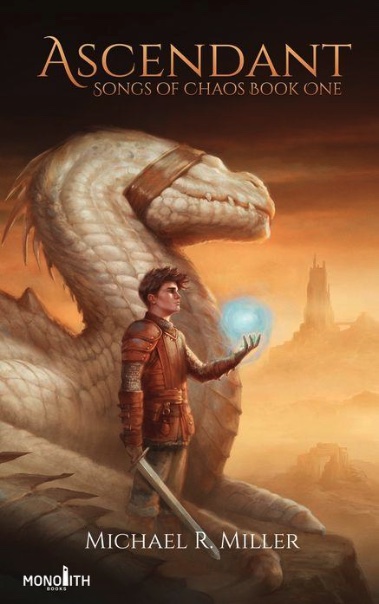
    Book cover for Michael R. Miller's epic fantasy novel Ascendant.

    Michael R. Miller has found considerable success with his first series, The Dragon’s Blade Trilogy, which has topped Amazon’s bestseller lists for epic fantasy, sword and sorcery, and YA fantasy among other categories. As if that isn’t impressive enough, his next series–currently in the works–has pushed him forward to an even bigger and more loyal audience.

    Here’s the pitch for Miller’s Songs of Chaos series: “A servant boy defies society to save a blind dragon from death and rises to become a dragonrider!” If it sounds familiar, it’s probably because it is. It’s strikingly similar to a) Christopher Paolini’s Inheritance Cycle, and b) book three of Anne McCaffrey’s Dragonriders of Pern trilogy. Oh, and there’s also a very clear progression fantasy play at work in this series, to add to the mix of clear influence.

    So, with such obvious and well-beloved influences, how did Miller go about marketing his new series? He does it obviously. Here’s some copy from the first book’s Amazon page: “…combining the best of Eragon and Pern with the hard magic of Brandon Sanderson and Will Wight.”

    Miller isn’t actually making an outlandish claim here. That’s what the books read like: Cradle + Eragon + Pern.

    What I see as the takeaways: Miller’s path to indie publishing is almost the opposite of Wang’s above. Miller entered the scene with some traditional publishing experience behind him. Then he found a space with hungry audiences and targeted those audiences narrowly, repeatedly, specifically. Whether Miller wrote his books intending to reach this existing audience or not, I don’t know, but his precision targeting (which really helps his landscape of advertisements) has helped him find a large and loyal audience.

    Daniel Greene: Writing from a strong platform

    Book cover for Daniel Greene's dark fantasy novella A Breach of Peace.

    Daniel Greene, aka your disheveled goblin host, is most well known as a YouTuber. He entered indie publishing last year with his debut novella, Breach of Peace, following this up with a short novel several months ago.

    Greene reported 30,000 sales of Breach of Peace within the first week of its publication. Based on its sales rankings since then, it has likely sold over 250,000 copies now, just 14 months since publication.

    For context, Brandon Sanderson just reported that he too reached 250,000 sales in the first year for one of his more widely anticipated releases. This figure isn’t terribly surprising, since Sanderson is a massive name in the genre, with 16 years of consistent bestsellerdom behind him. So, for Greene to come anywhere close to that figure is an astonishing win.

    In the end, though, Greene moved books in a really similar way to how Sanderson does it now: He’s a community player with a platform he has built carefully over time (over 300K YouTube followers when Breach of Peace came out, for instance, and now over 400K). He did a lot of leg work beforehand, not just to get the word out but in a way that other influential figures like reviewers and YouTubers would also get the word out.

    What I see as the takeaways: Plenty of authors publish and sell books without having an audience in place before the book is available. I think it’s fair to say this is the case for most people who write fiction. But in the end, having an audience from the date of publication definitely helps. Note that science fiction writer John Scalzi took a similar path with his very successful blog (through which he published his first novel).

    Evan Winter: Moving from indie to trad

    Book cover for Evan Winter's epic fantasy novel The Rage of Dragons.

    Evan Winter made quite a splash with the publication of The Rage of Dragons. Fans pretty much love the following book as much as the first.

    Winter published his first novel through Amazon’s Kindle Direct Publishing (KDP). In his own words, he didn’t expect his writing to be more than a hobby. He found almost overnight success after sharing information about his book on r/Fantasy, a community he’d been a part of for some years by then. His debut quickly climbed to the top 250 books selling on Amazon that day. Soon thereafter, an editor from Orbit contacted Winter with interest in a book deal.

    After an initial phone conversation, Winter relates that “the editor got back in touch to say that Orbit was going to make an offer and that I should get an agent.” Shortly thereafter, Winter had both an agent and a deal to publish not one but four books. More importantly, perhaps, people just keep reading and loving what Winter writes.

    What I see as the takeaways: Like Greene, Winter was part of the community. When he wanted to find readers, he knew where they were and knew how to communicate with them. Also, when you write something people want to read, publishers tend to take notice.

    For additional examples of the indie to traditional path, take a look at:

    Michael J. Sullivan: Building a backlist

    Book cover for Michael J. Sullivan's epic fantasy novel Theft of Swords.

    Michael J. Sullivan is a particularly interesting case as a hybrid author. Like many others, he completed numerous manuscripts, sent them to agents and editors, and collected a list of rejections before ever publishing anything. He also worked with a small press which couldn’t deliver on the printing and distribution volumes Sullivan’s work evidently merited.

    Eventually, Sullivan regained publishing rights for The Riyria Revelations and began publishing them himself. His sales numbers grew as he expanded the series. He eventually began selling about 1000 books per month. He also got a six-figure book deal–his runway into traditional publishing with a big New York press. Before this deal was ever made public, Sullivan’s sales leaped up to 10-12K copies per month, earning him upward of $35,000 for each of those months.

    Perhaps because of this success, Sullivan has retained a close connection to the indie world, even after releasing quite a few volumes through traditional publishers. Sullivan has run multiple successful kickstarters to fund new books, for instance. He has worked closely with Grim Oak Press—a small publisher—as well.

    What I see as the takeaways: Sullivan is a great example of building an audience via multiple volumes. The majority of indie authors establish loyal audiences over time by releasing several, even many books. These writers (see Lindsay Buroker as another example) don’t often see large sales numbers until they have a backlist of books to their names, just as Sullivan did.

    One final example: Christopher Paolini

    Book cover for Christopher Paolini's high fantasy novel Eragon.

    Christopher Paolini’s indie publishing path might be even more exceptional than the rest I’ve mentioned. He was only 15 when, with the help of his family, he published Eragon. That said, it’s also one of the more illustrative examples out there.

    Paolini had the benefit of some in-family expertise. His family operated a small press that had previously published a few other books. He also emerged at a time of voracious interest in fantasy for middle grade and young adult audiences. This reader interest undoubtedly helped secure his eventual book deal with Knopf and his 121 consecutive weeks on The New York Times Best Seller list.

    What was not exceptional for Paolini was that he first grew his audience by going out and sharing his work. He attended over 135 in-person events to promote his first novel, making as many as 70 stops in a single year.

    What I see as the takeaways: People buy books that are recommended to them. This is true even when the author is the one going out to make the recommendation.


    Sign up for the newsletter to get more nerdy content like this in your inbox.

    Sign me up

    * indicates required

    Intuit Mailchimp


    About the Author

    Headshot of epic fantasy author Stephen Taylor.

    Stephen Taylor is the author of The Witherclaw Trilogy as well as short fiction appearing in The Future Fire, MYTHIC Magazine, The Centropic Oracle, and other publications. His short story “Only an Ocean” won a Silver Honorable Mention in the L. Ron Hubbard Writers of the Future Contest. When he’s not writing, he’s often playing his violin or wandering in the woods.

  • There are many paths to tread (Part I): 5 unique publishing journeys of fantasy authors

    There are many paths to tread (Part I): 5 unique publishing journeys of fantasy authors

    Though Peregrin Took usually gets the cinematic credit, it was Bilbo Baggins who penned the line “there are many paths to tread.”

    Peregrin Took singing an adapted version of Bilbo Baggins's "A Walking Song" in the film The Return of the King.

    In this month’s post, I’ll use Bilbo’s “A Walking Song” to dig into the many varied paths fantasy authors traverse from coming up with a story idea to getting that idea published.

    As a genre, fantasy has an interesting relationship with the world of publishing. Take the very circuitous journey of The Lord of the Rings in the USA as an example. It’s no surprise that authors face all sorts of difficulties when trying to break in, to get a book deal, to find an audience, etc. Likewise, I find a sort of solace in the fact that so many top tier authors take their own unique publishing journeys.

    So how do fantasy author get their books published?

    First note before digging in: I’ve limited my list to authors who published their first novel since the turn of the century. This is mostly to account for the internet as part of the road to publication. Also, most of the authors I’m talking about have large readerships and have sold quite a few books. I believe every author I’ll mention is exceptional. None of their paths to publishing should be viewed as straightforward, direct, or any kind of easy. Yet I find a lot of insight in how these different writers undertaken their professional publishing journeys.

    Second note: I’ve provided some visuals to help make these publishing journeys more digestible. The caveat is that these images are necessarily (and purposefully) reductive.

    Final note: In this month’s post I’m only looking at examples of authors entering the world of traditional publishing. Next month’s post will dig deep into author examples across indie publishing.

    N. K. Jemisin: Step-by-step among publishing journeys

    It’s hard to find a living writer more lauded than N. K. Jemisin–inside or outside speculative fiction. Some of her more recent accolades include a MacArthur Fellows “Genius Grant” in 2020 and winning the Hugo Award for best novel three times in a row (which has never happened before) for all three books in her Broken Earth trilogy.

    Book cover for N. K. Jemisin's debut fantasy novel, The Hundred Thousand Kingdoms.

    Jemisin found acclaim early on in her publishing career, but her path to get there was fairly incremental.

    After collecting rejections for two finished novels, Jemisin went to Viable Paradise, an intensive, one-week writing workshop focused on speculative fiction. Her experience there led her to start writing short stories. Those stories then found homes in semipro and professional publications such as Ideomancer, Escape Pod, Strange Horizons, Apex Magazine, and Clarkesworld.

    Meanwhile, Jemisin wrote a new, big idea novel. With some short stories to her name and a standout new manuscript, she secured a representation deal with her literary agent, Lucienne Diver. Diver shared the novel with a number of editors, but no one bit yet. It was only after Jemisin’s short fiction received both Hugo and Nebula nominations and she wrote another novel (which sold at auction in a six-figure deal) that her previous manuscript was published as well.

    This was still before she even got to her Broken Earth trilogy. That work really propelled her into wider recognition across epic fantasy, science fiction, and other genres.

    Steps N. K. Jemisin took to becoming a published fantasy author.

    What I see as the takeaways: Jemisin’s success was anything but overnight. She kept writing new stuff and seeking new ways to improve. I think it’s fair to say–from each of her works I’ve read–that she never stopped producing her own kind of stories, even when editors told her they weren’t marketable. Her path to publishing success built that uniquely Jemisin momentum up over a long time.

    Patrick Rothfuss: Taking a few big steps in the publishing journey

    Patrick Rothfuss hit the scene hard in 2007 with the debut of his first novel, The Name of the Wind. It was perhaps the most hyped fantasy debut I’ve ever observed, with a big auction for the publishing rights, rapid chatter throughout the ecosystem of blogs and forums (yep, forums were a big thing back then), and advance reviews and sky-high praise from dozens of authors I love.

    Book cover for Patrick Rothfuss's debut fantasy novel, The Name of the Wind.

    This early buzz was even more remarkable given that Scott Lynch, Joe Abercrombie, Brandon Sanderson and several other big names had just debuted as well, with additional books already hitting shelves in 2007.

    Rothfuss’s is one of the more linear publishing journeys out there. For starters, Rothfuss took longer to write his first novel than most writers do, working on the same story from 1994 until book one of the tale was finally published in 2007. Rothfuss’s main step toward getting an agent–who subsequently brokered his book deal–was submitting to the L. Ron Hubbard Writers of the Future contest. His submission, an excerpt from his then unfinished second novel, won him a quarterly prize in the contest and led him to meeting Tim Powers and then his agent, Matt Bialer.

    With Bialer’s help, Rothfuss continued polishing his manuscript a few more years and then secured a three-book contract with Daw.

    [image]

    Steps Patrick Rothfuss took to becoming a published fantasy author.

    It’s hard to overstate, however, that while this path doesn’t have many steps or tales of rejection letters, these were extraordinary steps. First off, Bialer was already one of the most recognized and connected agents in epic fantasy. Secondly, it still took several years to move from agent to book deal to published manuscript, and Rothfuss reports working through extensive phases of editing, writing new story threads, and revision at this time. Third, winning a quarterly prize in the Writers of the Future contest was no easy feat either. Last of all, Rothfuss’s debut novel was exceptionally strong. His journey paid off for readers, not just for himself, with a book that was well worth all the hype and excitement.

    The Name of the Wind and Rothfuss’s second book combined have sold well over 10 million copies worldwide.

    What I see as the takeaways: Although quality doesn’t always win out, it definitely can. Rothfuss’s success isn’t based on writing 100 solid novels. It’s based on writing and polishing and rewriting one really good book that got agents, editors, other writers, and readers really excited. This path looks to me like a particularly tough one to mirror, but it definitely worked for Rothfuss.

    Tamsyn Muir: Some of both

    Although Tamsyn Muir has been publishing SFF since 2010, she began garnering much more notice with the release of her genre-busting first novel Gideon the Ninth. The book not only captured the attention of many readers and writers but earned World Fantasy, Hugo, and Nebula nominations as well as the 2020 Locus Award for Best First Novel.

    Book cover for Tamsyn Muir's debut fantasy novel, Gideon the Ninth.

    Perhaps it goes without saying, but very few books earn nominations for SFF’s four biggest award programs, let alone wins in any of them.

    Like Jemisin, Muir took both the route of professional workshops (Clarion, in her case) and short fiction. She placed stories and novelettes in magazines such as Lightspeed, Nightmare, Clarkesworld, and the Magazine of Fantasy & Science Fiction. Her first publication, “The House That Made the Sixteen Loops of Time” was a story she wrote during her final week at Clarion.

    When Muir’s fourth short story came out, it collected nominations for the Shirley Jackson, World Fantasy and Nebula awards, among others. Subsequently, an agent approached her with interest in representing her work. Muir didn’t end up working with that first agent, but she did instead get an offer of representation from Jennifer Jackson, long-time agent for a few big names like Jim Butcher (see below), Elizabeth Bear, and Martha Wells.

    Steps Tamsyn Muir took to becoming a published author.

    What I see as the takeaways: Professional workshops can really move the needle for speculative fiction writers. Short fiction often opens doors toward bigger publishing journeys. And winning some major genre awards never hurts either. Also, once legitimate agents start approaching you, you’re probably more than ready to successfully approach such agents in return.

    Jim Butcher: Retracing some steps on the path to publication

    Jim Butcher’s audience has grown steadily for two decades. Most of this has come with the expansion of his urban fantasy / mystery series The Dresden Files. He now has 17 out of 22 planned volumes in print with the same publisher (plus two other series). It all stems from one initial book deal.

    Book cover for Jim Butcher's debut fantasy novel, Storm Front.

    Butcher’s own account tells the story well. He queried numerous agents and editors for a few years without success. Over time he identified a specific agent he thought would be a fit, based on what else she represented. Butcher queried her. She responded with a no.

    Not to be deterred, Butcher found out what conventions and conferences this agent would be attending. He armed himself with relevant conversation-starters, and went to meet her in person. If you’ve heard Butcher speak before, you’ll know he has a lot of charisma (probably no surprise if you’ve read The Dresden Files either). So, with an in-person chance to make an impression, Butcher got himself invited to lunch. He received an offer of representation–that same day. Six months later, he had a book deal.

    Steps Jim Butcher took to becoming a published fantasy author.

    What I see as the takeaways: Butcher did his research and stuck to his strengths. He didn’t throw in the towel when he faced rejection. He kept writing along the way as well. Consequently, he had more than just one book ready when he finally had a deal. In Butcher’s own words, “Here’s the secret of how to get published: keep going.”

    Brandon Sanderson: Betting big on replicable publishing journeys

    Brandon Sanderson is probably most well known for his Mistborn novels and completing The Wheel of Time after Robert Jordan’s death. His reputation extends far beyond selling books, though he has at least 21 million sales to his name since last year.

    Book cover for Brandon Sanderson's debut fantasy novel, Elantris

    Despite his astronomical success, Sanderson’s path to publishing was exceptionally practical. He wrote novels, queried editors and agents, stacked up rejections, queried new projects, collected more rejections, and then started attending professional events to try meeting the right agents and editors in person.

    Eventually, he met his future editor Moshe Feder in person. Feder agreed to look at a manuscript, but took 18 months to do it. Sanderson had given up on that particular submission when Feder called him up with an offer to buy the book.

    With a book deal at his door, but not finalized, Sanderson then went back to his agent search. He contacted Joshua Bilmes, whom he’d also met in person and queried multiple times. Bilmes agreed to represent Sanderson and helped secure an even better book deal with Feder / Tor Books.

    You could say there are other big steps in here as well. Sanderson’s involvement in The Wheel of Time didn’t hurt. Nor did running the biggest Kickstarter campaign ever. But he built a strong name for himself before doing either of these things.

    Steps Brandon Sanderson took to becoming a published fantasy author.

    What I see as the takeaways: No one should expect to build a reading community like Sanderson has. The steps he took to get in the door are pragmatic and repeatable, however. He wrote a lot. He queried. And he networked at the right events, looking for editors and agents who were very likely to fit his work. Like Jemisin, he wasn’t an overnight success. He put in the hard work, got his foot in the door, and grew from there.

    Other paths to publication

    Stay tuned next month for another look at publishing journeys. That post will analyze how several indie and hybrid fantasy authors have navigated their own publishing paths.


    Sign up for the newsletter to get more nerdy content like this in your inbox.

    Sign me up

    * indicates required

    Intuit Mailchimp


    About the Author

    Headshot of epic fantasy author Stephen Taylor.

    Stephen Taylor is the author of The Witherclaw Trilogy as well as short fiction appearing in The Future Fire, MYTHIC Magazine, The Centropic Oracle, and other publications. His short story “Only an Ocean” won a Silver Honorable Mention in the L. Ron Hubbard Writers of the Future Contest. When he’s not writing, he’s often playing his violin or wandering in the woods.

  • 7 fantastic books for Miyazaki fans

    7 fantastic books for Miyazaki fans

    If you’re a typical Hayao Miyazaki fan, you probably wish there were more stories like his out there. It’s a problem I think about often. I wish I could find more movies, music, video games, and books for Miyazaki fans like me.

    There’s really no way to perfectly fit another story–movie, book, or other format–into a perfectly Miyazaki-shaped picture frame. That said, there are stories out there that strike a similar chord or share traits Miyazaki fans will probably recognize and care about. Here are just seven books that have done that for me:

    1. The Goblin Emperor by Katherine Addison (2014)

    Book cover Katherine Addison's novel THE GOBLIN EMPEROR.

    The title The Goblin Emperor probably conjures images of a muscled creature ruling with a heavy hand. But that’s not what Katherine Addison’s novel is about. Her goblins are pretty much just mortal elves, and this book’s emperor would rather build socioeconomic infrastructure than serve Sauron.

    Miyazaki would probably love the steampunk, airship-filled world Addison has created. Yet what makes The Goblin Emperor so reminiscent of Miyazaki is not the story or even the setting. It’s the presentation that sets this book apart.

    The novel is very concerned with death, loneliness, selfish politicking, and intrigue. It also manages to be a hopeful, positive story about trusting people, observing healthy boundaries, and coming of age without becoming inured to the very real darkness in the world. The optimistic direction of this book is a particular strength, one which Miyazaki fans will likely recognize with familiarity.

    What it reads like: Howl’s Moving Castle as a casual murder mystery about blue collar political programs.

    2. Sabriel by Garth Nix (1995)

    Book cover for Garth Nix's novel SABRIEL.

    Sabriel is a story about boarding school, boats and magic airplanes, death bells, courageous daughters, and rabbit necromancy. And, like so many Miyazaki movies with equally suspect content topics, it seems to have kids in mind as its primary audience.

    Sabriel delves unabashedly into dark, complex themes often brushed behind the curtains in media for middle grade and young adults. The most obvious themes have to do with death and grief. A large portion of the novel’s worldbuilding concerns the relationship between those who are alive and those who are not. Instead of leaning into the eeriness or sorrow these themes invoke, however, Sabriel explores them through the lens of its beautifully unique setting.

    Art depicting the character Sabriel from Garth Nix's novel Sabriel.
    Art by clockwork-madness.

    The novel contains a very Miyazaki-like protagonist, a keen interest in natural elements like earth and water, and even a flying scene (almost a must for Miyazaki). But it’s Garth Nix’s focus on the weirdly beautiful that makes Sabriel most like a Miyazaki movie.

    What it reads like: Spirited Away meets Diablo II’s necromancer class (but for young readers).

    3. Binti by Nnedi Okorafor (2015)

    Book cover for Nnedi Okorafor's novella BINTI.

    Despite its sometimes categorization as science fiction horror, Binti brings so many elements together that Miyazaki fans are likely to love.

    First, it follows the title character on her journey away from home to attend a prestigious university. Binti is the first of her ethnic group ever to enter said university, which opens her circumstances to numerous challenges and prejudices. If a brave girl who loves math and sets out on her own in a flying whale doesn’t sound like something Miyazaki would depict, I’m not sure what does.

    Second, the character Binti shares some of the more subtle characteristics of many Miyazaki heroines. Like Nausicaä, Sheeta, San, Fio, or Sophie in particular, Binti has a knack for making friends of her seeming enemies. This alone brings an incredible positivity to her story, despite many moments of terror and isolation.

    Third, Binti as a work doesn’t linger over its darker moments. The story stops for breath, instead, in instances of great imagination and beauty. The cadence of the novella thus parallels virtually every Miyazaki movie, using a distinctly unHollywood approach to both plot and pacing.

    Fourth, like several of Miyazaki’s films, Binti is a story with no clearly personified villain. It’s thus is a story that doesn’t rely on violence or death for a final resolution. Rather, the climax of the tale relies on healing and unification born from a deep respect both for scientific learning and age-old tradition. Binti’s reverence toward wisdom and learning from both sources (often viewed as opposing ones) might be the most Miyazaki-like element of all.

    What it reads like: Nausicaä of the Valley of the Wind before everyone loves the heroine.

    Art depicting the character Binti from Nnedi Okorafor's novella Binti.
    Art by narachouchou.

    4. The Word for World is Forest by Ursula K. Le Guin (1972)

    Book cover for Ursula K. Le Guin's novel, THE WORD FOR WORLD IS FOREST.

    If you’re a Miyazaki fan, you’ll probably know that no less than four of Ursula K. Le Guin’s novels have been adapted–by Goro Miyazaki, not Hayao. The much disparaged Tales from Earthsea liberally combines and modifies material from Le Guin’s Earthsea Cycle. It scrunches four books’ contents into one movie that truly approximates none of them. The point isn’t to lament that Goro’s directorial debut is not what an experienced Hayao Miyazaki would have brought forth. The point is that Le Guin’s writing offers rich ground for retelling. Also, Hayao Miyazaki actually came much closer than Goro did to a direct adaptation when he made Princess Mononoke–a movie strikingly similar to Le Guin’s oft overlooked The Word for World is Forest.

    Make no mistake. Princess Mononoke is its own story, with very different themes and a much brighter conclusion than Le Guin’s. Their two stories about forests endangered by mankind–and the costs of men and forests warring against one another–could be cousins, sharing a progenitor but not a parent.

    Art depicting the Deer God and kodamas from Hayao Miyazaki's movie Princess Mononoke.
    Art by Calmality.

    Miyazaki seems to find redeeming goodness in every human with a face and a voice. The Word for World is Forest takes a much grimmer attitude, more like James Cameron’s Avatar (which owes an undeniable debt to both works under discussion). On the one hand, The Word for World is Forest still tells the story of humans who share both an affinity with the forest and with their own kind. But it also begins with a shockingly personal look at a few particular humans who care about almost nothing but their own power, making it distinctly unlike Miyazaki’s work.

    There’s an omnipresent attitude that the natural world has wisdom and wealth to share with all who touch it–human or not. This is where this novel and Miyazaki fans will find the most shared ground. The mystical, worshipful approach to trees and wind and water and sky lend themselves well to any fan of any film Miyazaki has directed.

    What it reads like: Princess Mononoke in space. So, a more fully-baked version of Avatar.

    5. Dragonsong by Anne McCaffrey (1976)

    Book cover for Anne McCaffrey's novel DRAGONSONG.

    Anne McCaffrey’s Dragonriders of Pern series is about time-traveling dragon riders fighting mycorrhizoid spores from space. However, the books are much more concerned with the mundane than with epic battles or interplanetary expeditions.

    Dragonsong is a prime example. It’s the story of a teenage girl who loves music–a craft reserved largely for men–and proactively cultivates her interests and abilities despite various roadblocks and fierce opposition from her family. Where other secondary fantasy might explore the relationships between kingdoms, Dragonsong spends time on mother-daughter and mother-father interactions. It’s not about pitting the protagonist against planet-breaking catastrophe. Rather, this novel explores the troubles of not doing your chores or getting your feet cut while wandering outside. And instead of populating the world with giant monsters, McCaffrey spends most of her attention on small, hungry fire-lizards that like to harmonize with the main character’s singing.

    McCaffrey’s writing tends to be more thematically heavy handed than many of Miyazaki’s films, but its focus on very real-world, everyday conflicts and concerns aligns it nicely with Miyazaki’s aesthetic. Dragonsong, in particular, is all about the interactions between humans and the natural world around them, with storms and seasons, waves and fish, lizards and dragons all engaging interestingly with the people of Half-Circle Seahold.

    What it reads like: Medieval Ponyo told by a narrator who’s willing to acknowledge the really poor parenting going on.

    6. Song for the Basilisk by Patricia McKillip (1998)

    Book cover for Patricia McKillip's novel SONG FOR THE BASILISK.

    The difficulty of accurately describing Patricia McKillip’s writing is in itself a shared characteristic with Miyazaki’s canon. Most of McKillip’s books–Song for the Basilisk included–are clearly works of fantasy, but that says little about what the experience of reading McKillip is actually like.

    Song for the Basilisk is a story about horrific trauma and devastating loss. The story unfolds with an ethereal touch that celebrates moments of beauty for their own sake, often making smaller stories out of these moments that might not be a story at all if relayed through another’s style and perspective–which is itself a point of connection between McKillip’s writing and Miyazaki’s work.

    Like several works listed here, Song for the Basilisk is also refreshingly complex in its unconventional relationships between active parties; there’s little clarity about who is really opposing whom in the end. Readers will still find heroes and villains, so to say, but not in all the places they might expect. This gives the book a unique break from the common mold.

    Very much like Princess Mononoke, The Wind Rises, and Nausicaä of the Valley of the Wind, Song for the Basilisk explores a deeply paradoxical relationship between violence and peace. Nausicaä, for instance, is a heroine who refuses to kill insects but who fights men and women with brutal ferocity. McKillip’s book connects violence to music, the very thing that gives healing and beauty to a cast of characters mourning immense loss.

    As I noted above, there’s no perfect match between Miyazaki and anything else. But this is a great starting point for Miyazaki fans looking for books like his movies.

    What it reads like: If Porco Rosso were about a singing competition instead of dogfighting.

    Character art for Nausicaa from Hayao Miyazaki's Nausicaa of the Valley of the Wind.
    Art by FF69.

    7. Spinning Silver by Naomi Novik (2018)

    Book cover for Naomi Novik's novel SPINNING SILVER.

    On its surface, Spinning Silver is a love story about a girl who tricks a magical being into thinking she herself is magical, or perhaps a bildungsroman about a girl making her way in the world long before she thought she was ready to (somewhat like Kiki’s Delivery Service). Like most fairytales and retellings, however, it holds much more story beyond that surface.

    Many things in this novel are never explained. Not unlike the singular phenomena at work in Spirited Away, My Neighbor Totoro, or even Porco Rosso, the events of Novik’s novel need no explanation because the novel isn’t about how these things transpired as much as it’s about the current state of the characters living in strange and wondrous worlds. It invites the reader not to worry about the mysteries behind the curtain. After all, there’s plenty to consider and admire right at hand.

    The looseness of Spinning Silver, as a retelling of another tale, is another area in which it reads like something Miyazaki might create. It leaves enough shared material to recognize its roots, but it also retains a unique enough shape that the original and the retelling can be wholly separate things, much as Miyazaki has done with his adaptations of Howl’s Moving Castle or Kiki’s Delivery Service.

    Last but not least, there’s understated, all but unobservable magic at work everywhere in this novel. As such, I think those who love Miyazaki’s worlds will find a lot to love in this one too.

    What it reads like: If the forest spirits of My Neighbor Totoro cared a lot about money and lived in Eastern Europe.

    I once sat with eight other people and watched Miyazaki’s first directorial credit, Lupin III: The Castle of Cagliostro. After watching the film, we discussed which Miyazaki film we each liked best overall. Eight people gave eight different answers. None of us could agree on a number one favorite.

    This experience left me with two overarching impressions:

    First, amazement that any storyteller could reach such a high level of excellence so many times; few narrative artists ever have.

    Second, that I need to find yet more stories like the ones Miyazaki tells. So please comment below if you know of more good books for Miyazaki fans!


    Get more nerdy content in your inbox:

    Sign me up

    * indicates required

    Intuit Mailchimp


    About the Author

    Headshot of epic fantasy author Stephen Taylor.

    Stephen Taylor is the author of The Witherclaw Trilogy as well as short fiction appearing in The Future Fire, MYTHIC Magazine, The Centropic Oracle, and other publications. His short story “Only an Ocean” won a Silver Honorable Mention in the L. Ron Hubbard Writers of the Future Contest. When he’s not writing, he’s often playing his violin or wandering in the woods.

css.php